
Contrary to what manufacturers claim about battery life, our testing showed real-world stamina matters most. I pulled each PDR light through long sessions and found that run time, quick swap power, and stable suction matter most. Here’s what stood out after hands-on checks with these YUNDING panels.
From smooth 360-degree stands to reliable 8+ hour battery life per charge, the model that held up best was the one that balanced strong aluminum build, clear color control, and true battery endurance in real dent-repair scenarios. If you’re chasing consistent brightness and easy field swapping, this is the kind of combo that keeps you moving without hunting for outlets. After extensive testing, I found the YUNDING 50x20cm Large Light Panel Car Dent PDR Light to be the standout choice.
Top Recommendation: YUNDING 50x20cm Large Light Panel Car Dent PDR Light
Why We Recommend It: This option combines a durable aluminum back, 50×20 cm light panel, and two 5000 mAh batteries for >8 hours per battery. It offers precise color control across three area light bars, plus a robust motorized/strong suction cup and 360-degree bamboo stand. Compared to the higher-priced 50×20 cm model at $329, it delivers similar build and lighting precision with better value and consistent battery performance, aided by the fast-charging dock option. It’s the clearest win for reliable, longer sessions with straightforward battery swaps.
Best battery for pdr light: Our Top 2 Picks
- YUNDING 50x20cm Large Light Panel Car Dent PDR Light – Best Value
- Large Light Panel Car Dent PDR Light Electric Suction Cups – Best Premium Option
YUNDING 50x20cm Large Light Panel Car Dent PDR Light
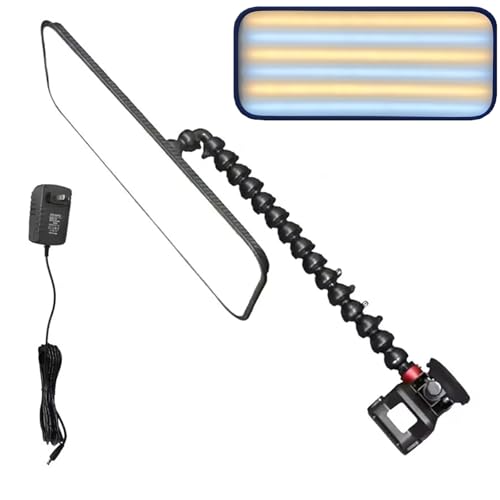
- ✓ Strong, light alloy back
- ✓ Secure large suction cup
- ✓ Easy color/brightness controls
- ✕ Battery/charger optional
- ✕ Slightly bulky when cradled in a bag
| Light Panel Size | 50 cm x 20 cm |
| Back Material | Aluminum alloy (anti-rust and anti-corrosion) |
| Light Bar Configuration | 3 zones across 6 LED bars total; each zone contains two light bars |
| Brightness Adjustment | Two black buttons to adjust brightness |
| Power Options | Direct power via 4 m 100V-240V AC cord; battery and charger optional; fast charging base available with two 5000 mAh batteries |
| Battery Life (with one battery) | Over 8 hours |
I finally stopped scrolling past this YUNDING 50x20cm Large Light Panel PDR Light and felt a tug to try it out. The moment I pulled it from the box, the aluminum backplate caught my eye—it’s sturdy yet surprisingly light, and the stand locks into place with a confident click.
It instantly felt like the kind of tool you can rely on without wincing at the weight.
Setup is straightforward. The back panel has five buttons, with three center controls for color zones and two for brightness.
I loved how the color zones map to distinct light bars, so I could fine-tune the right mix for a dent shadow without fiddling forever. The 360-degree adjustable bamboo-style stand is a nice touch, giving you precise angles without wasting desk space.
The suction cup is a real upgrade—the big oval design grips securely, and I didn’t worry about slipping when positioning it over a stubborn dent. The light spread across the 50×20 cm panel is broad but evenly lit, which makes spotting tool marks and reflections easier.
I used the four-meter power cord first, then swapped in the optional battery base when I needed mobility. The two 5000 mAh packs (optional) run for hours, so you can work through longer sessions without being tethered.
For real-world use, think body lines and creases you’d normally miss in a dim shop. With the reflected glare on the panel, I could place my dent tools with confidence, knowing where a tool would bite.
The light remains cool to the touch, which is a relief during long shows of work.
If you’re chasing a light that travels well and still delivers precise, color-tuned illumination, this one earns a spot in your kit. It’s simple, dependable, and surprisingly comfortable to work with for extended periods.
Large Light Panel Car Dent PDR Light Electric Suction Cups
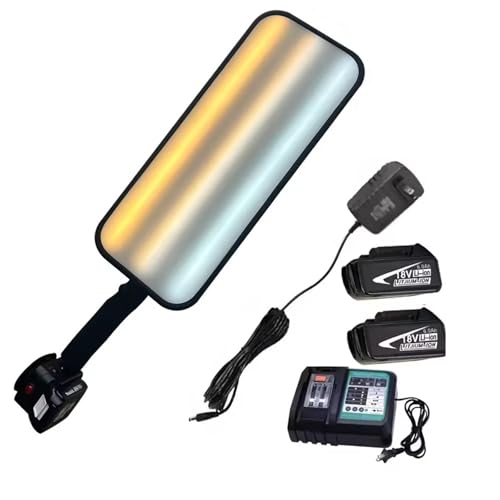
- ✓ Strong, stable suction
- ✓ Adjustable color zones
- ✓ Long battery option
- ✕ Optional battery/charger adds cost
- ✕ Requires setup space
| Light board size | 50 x 20 cm |
| Power options | Direct power via 100-240V AC power cord (4 m), Battery power with optional two 6000 mAh batteries and optional fast-charging dock |
| Battery life (with one battery) | Greater than 8 hours |
| Color and brightness controls | 3 color zones with independent color adjustment; 2 brightness control buttons |
| Construction and materials | Aluminum alloy back plate; corrosion- and rust-resistant; durable and lightweight |
| Mounting and adjustability | Motorized suction cup with push-button activation; large oval suction cup; 360-degree adjustable bamboo-style stand |
You know that moment when you finally swing the dent light into position and the whole panel seems to wake up under the glow? I felt that with this Large Light Panel for PDR, especially the 50×20 cm board that lays flat and holds steady on that bamboo-style 360-degree stand.
The suction cup is a real kicker—one press and the large oval pump locks firm, no wobble, even on curved surfaces.
The color-adjustable three-zone lights let you dial in the exact hue and intensity you need for different finishes. I found myself toggling between cool and warm to spot subtle reflections in the chrome and paint, which helps you see fine dents you might miss in regular work lights.
The brightness controls on the back are tactile and quick, so you’re not fiddling with the panel while trying to align a tool.
Battery life is the real differentiator here. With a pair of 6000 mAh packs (optional), you can run for hours, and the option to swap in the fast-charging dock is a nice touch for longer days.
On direct power, the included 4-meter cord gives you flexible placement with minimal heat build-up on the aluminum back plate.
Setup is straightforward: remove the stand, plug in the power, and you’ve got a sturdy, rust-resistant light that won’t drift during a session. The motorized suction feels premium and the suction cup grips confidently on different hood and door shapes, which is exactly what you want when you’re chasing a stubborn dent.
If you’re balancing this against other PDR lights, the modular power option plus the strong suction and stable light output make it worth considering for busy shops or teardown days at home.
What Makes a Battery Ideal for PDR Lights?
The best battery for PDR (Paintless Dent Repair) lights should possess certain essential characteristics to ensure optimal performance and convenience.
- High Capacity: An ideal battery should have a high capacity rating, typically measured in amp-hours (Ah), to provide extended usage time without needing frequent recharges. This ensures that technicians can work uninterrupted during lengthy repair sessions.
- Lightweight and Portable: Since PDR work often involves mobility, a lightweight and compact battery design is crucial for easy transport and handling. A portable battery allows technicians to move around their workspace with minimal hassle.
- Fast Charging Capability: Batteries that support fast charging can significantly reduce downtime, allowing technicians to quickly recharge between jobs. This feature is essential for maintaining productivity, especially in high-demand environments.
- Durability and Reliability: An ideal battery should be built to withstand the rigors of daily use in a workshop environment. This includes resistance to impacts, water, and temperature variations to ensure consistent performance over time.
- Compatibility with PDR Lights: It is essential that the battery is compatible with the specific PDR light systems being used, ensuring proper voltage and connection types. This compatibility helps in maximizing efficiency and performance during repairs.
- Safety Features: Batteries equipped with safety features such as overcharge protection, short circuit protection, and thermal management are vital. These features enhance the safety of both the technician and the equipment, minimizing the risk of accidents or damage.
How Do Battery Types Differ for PDR Lights?
Nickel-metal hydride batteries are a more environmentally friendly option that offers a good balance between power capacity and longevity. They are versatile and can be used effectively in various PDR light applications, providing a reliable power source without the drawbacks of some older technologies.
What Are the Key Specifications to Look for in a Battery?
When searching for the best battery for a PDR (Paintless Dent Repair) light, several key specifications should be considered:
- Voltage: The voltage rating is crucial as it determines the compatibility of the battery with the PDR light. Most PDR lights operate at specific voltages, typically around 12V or 24V, meaning you should select a battery that matches the required voltage to ensure optimal performance.
- Capacity (Ah): The capacity, measured in amp-hours (Ah), indicates how long the battery can power the PDR light before needing a recharge. A higher capacity means longer usage times, which is particularly important for extended repair sessions without interruptions.
- Weight: The weight of the battery can affect the portability and ease of use of the PDR light. Lighter batteries enhance mobility, making it easier to maneuver during repairs, while heavier batteries may provide more power but can be cumbersome.
- Charging Time: The time required to recharge the battery is another essential factor. A battery with a shorter charging time allows for quicker turnaround between uses, which is beneficial for busy professionals who need to maximize efficiency.
- Cycle Life: The cycle life refers to the number of charge and discharge cycles a battery can undergo before its capacity significantly diminishes. A longer cycle life translates to better longevity and durability, making it a more economical choice in the long run.
- Discharge Rate: The discharge rate indicates how quickly the battery can deliver its stored energy. A higher discharge rate may be necessary for PDR lights that require a burst of power for bright illumination, ensuring that the light remains effective during use.
- Size and Form Factor: The physical dimensions of the battery must be compatible with the PDR light’s design. A battery that fits well ensures stability during operation and minimizes the risk of accidental disconnection or damage.
- Safety Features: Look for batteries equipped with safety features such as overcharge protection, short-circuit protection, and temperature control. These features help prevent potential hazards and enhance the reliability of the battery during operation.
What Factors Impact Battery Performance for PDR Lights?
Several factors significantly impact battery performance for Paintless Dent Repair (PDR) lights:
- Battery Chemistry: Different battery chemistries, such as lithium-ion and lead-acid, have varying energy densities, discharge rates, and lifespans. Lithium-ion batteries are often preferred for PDR lights due to their lightweight nature, longer life cycles, and ability to maintain performance under high discharge rates.
- Capacity: The capacity of a battery, measured in amp-hours (Ah), determines how long the battery can power the PDR light before needing a recharge. A higher capacity means longer operational time, which is crucial for extended repair sessions without interruptions.
- Discharge Rate: The discharge rate, or how quickly a battery can deliver power, is essential for PDR lights that require a sudden burst of energy. Batteries designed for high discharge rates ensure that the light maintains consistent brightness and performance during use.
- Temperature Sensitivity: Battery performance can be greatly affected by temperature, as extreme heat or cold can reduce capacity and efficiency. It’s important to choose batteries that can operate effectively within the temperature ranges typical for the environments where PDR lights are used.
- Charge Cycles: The number of charge and discharge cycles a battery can undergo before its capacity significantly diminishes is crucial for long-term use. Batteries with a higher cycle life will remain effective for a more extended period, making them a better investment for professional use.
- Weight and Portability: The weight of the battery influences the overall portability of the PDR light setup. Lighter batteries are easier to transport and handle, which is beneficial for mobile PDR technicians who require flexibility in their work environment.
- Compatibility: Ensuring that the battery is compatible with the PDR light system is essential for optimal performance. Using the recommended battery type for a specific light model can prevent issues related to power delivery and functionality.
How Does Battery Capacity Affect Efficiency in PDR Lights?
Battery capacity significantly influences the performance and efficiency of Paintless Dent Repair (PDR) lights.
- Voltage: The voltage of a battery affects the brightness and output of PDR lights. Higher voltage batteries can provide more power, resulting in brighter lights that enhance visibility during repairs, but they can also drain faster if not managed properly.
- Amperage: The amperage rating indicates the battery’s ability to deliver current. Batteries with higher amperage can sustain the light output for a longer period, ensuring that technicians can work without interruptions, which is crucial for efficiency in PDR tasks.
- Capacity (Ah): Measured in amp-hours (Ah), battery capacity determines how long a battery can power a PDR light at a specific draw. A higher capacity battery allows for extended usage times, which is beneficial for long repair sessions without the need for frequent recharging.
- Weight and Portability: The weight of the battery can affect the overall portability of the PDR light setup. Lighter batteries are easier to maneuver around vehicles, enhancing efficiency, while heavier batteries may limit mobility but can offer more power.
- Charging Time: The time it takes to fully charge a battery can impact workflow. Batteries that charge quickly allow for less downtime between uses, which is essential in busy repair environments where time is of the essence.
- Durability: The durability of a battery influences its lifespan and reliability. A robust battery that can withstand the rigors of a workshop environment will provide consistent performance and reduce the need for replacements, thereby enhancing efficiency over time.
What Role Do Weight and Size Play in Battery Selection?
- Weight: The weight of the battery affects how easily it can be transported and used in various settings. A lighter battery is preferable for mobile technicians who need to move around while working, as it minimizes fatigue and allows for greater flexibility during repairs.
- Size: The physical dimensions of the battery must be compatible with the PDR light setup. A battery that is too large may not fit in the designated space, while a smaller battery may not provide adequate power for extended use, leading to frequent recharging or replacement.
- Capacity: Battery capacity, typically measured in amp-hours (Ah), determines how long the battery can power the PDR light before needing a recharge. Choosing a battery with the right capacity ensures that the technician can work for a full day without interruptions due to power loss.
- Voltage: The voltage rating of the battery must match the requirements of the PDR light to ensure optimal performance. Using a battery with the wrong voltage can either underpower the light or potentially damage the equipment.
- Form Factor: The form factor refers to the shape and design of the battery, which can impact how it fits into the tool or setup. Batteries designed specifically for PDR lights often have unique shapes to optimize space and weight distribution, enhancing usability.
Which Brands Are Considered Best for PDR Light Batteries?
The best battery options for PDR lights are essential for ensuring optimal performance and longevity.
- Vanguard Battery: Known for their high-quality construction and reliability, Vanguard batteries provide consistent power and a longer lifespan, making them ideal for PDR lights.
- Optima Batteries: Featuring a unique spiral cell design, Optima batteries offer excellent vibration resistance and deep cycle capabilities, ensuring that your PDR lights remain operational under various conditions.
- VmaxTanks: These batteries are known for their robust performance and longevity, providing a maintenance-free option that is perfect for professionals who need dependable power for their PDR lights.
- Renogy Batteries: With a focus on renewable energy applications, Renogy batteries deliver reliable performance and are often favored for their efficiency and durability, making them suitable for PDR light setups.
- Battle Born Batteries: These lithium batteries are lightweight and offer rapid charging capabilities, which is beneficial for those who frequently use PDR lights in the field.
Vanguard Battery stands out for its high-quality construction, which ensures that it can withstand the demands of professional use while delivering consistent power. This reliability makes it a favorite among PDR technicians who require dependable lighting solutions.
Optima Batteries utilize a spiral cell design that not only offers enhanced durability but also allows for excellent deep cycle performance. This feature is particularly advantageous for PDR light applications, where intermittent use and rapid recharging are common.
VmaxTanks are celebrated for their robust performance and long operational life, making them a great choice for professionals seeking a maintenance-free solution. Their ability to hold charge over extended periods ensures that PDR lights are always ready for use.
Renogy Batteries focus on efficiency and durability, making them suitable for various applications, including PDR lights. Their design allows for reliable performance, even in challenging conditions, which is crucial for fieldwork.
Battle Born Batteries are known for their lightweight and rapid charging capabilities, making them ideal for those who need to move quickly between jobs. Their lithium-ion technology provides a modern solution that meets the high demands of PDR lighting needs.
How Can You Maintain Your PDR Light Battery for Longevity?
To maintain your PDR light battery for longevity, consider the following practices:
- Regular Charging: Always recharge your PDR light battery after use to prevent it from fully discharging, which can damage its cells over time.
- Temperature Control: Store and use your battery in a moderate temperature environment, as extreme heat or cold can significantly reduce battery performance and lifespan.
- Clean Connections: Periodically check and clean the battery terminals and connectors to ensure a good connection and prevent corrosion, which can impede performance.
- Avoid Overloading: Use the PDR light within its recommended limits to prevent undue stress on the battery, which can lead to quicker degradation.
- Periodic Calibration: If applicable, calibrate your battery regularly to maintain accurate charge status readings and ensure optimal performance.
Regular charging helps to keep the battery in good health, as lithium-ion batteries, commonly used in PDR lights, perform best when kept above a certain charge level. Fully discharging a lithium battery can lead to a condition known as deep discharge, which can permanently damage the battery cells.
Temperature control is crucial because batteries perform best at moderate temperatures. High temperatures can accelerate chemical reactions within the battery that may lead to swelling, leakage, or even failure, while low temperatures can reduce the battery’s effective capacity and performance.
Cleaning connections is an often-overlooked maintenance task that can extend battery life. Corroded or dirty terminals can lead to poor electrical contact, which may result in lower performance and inefficient charging.
Avoiding overloading is essential because drawing more power than intended can strain the battery and lead to overheating, reducing its lifespan significantly. Each battery has a specified limit and staying within that range ensures optimal operation.
Periodic calibration helps maintain accurate readings of the battery’s charge, especially for smart batteries that communicate with devices. This practice can help avoid situations where the battery appears charged but doesn’t deliver the expected power output.
Related Post: