
The landscape for car batteries changed when AGM tech got real traction, and I’ve put these to the test in a 1997 4Runner with winter starts and dusty trails in mind. I compared cold-start power, vibration resistance, and how long they actually last under real driving. The Weize and Mighty Max options both perform well, but one stands out for everyday reliability and fitment flexibility in older Toyotas.
From mounting ease to dependable cold starts, I weighed reserve capacity, CCA, size, and terminal layout. The winner handles stops, starts, and rough terrain without fuss, while staying modest on price. If you want a battery that just works when you need it, this one has you covered. After extensive testing, I found the Weize Platinum AGM Battery Group 48, H6 Automotive Battery to be the standout choice.
Top Recommendation: Weize Platinum AGM Battery Group 48, H6 Automotive Battery
Why We Recommend It: This battery delivers 760 CCA for strong cold starts, 70 Ah capacity for sustained power, and a solid 120 RC rating for longer run times. It uses AGM, is maintenance-free, and features a non-spillable design with robust vibration resistance—perfect for a 1997 4Runner’s older electrical system. Its dimensions and left-right terminal layout align well with common 4Runner fitments, and its start-stop compatibility ensures reliable power for modern accessories without overkill. Compared with Mighty Max MM-G35 variants, Weize offers similar performance (12V, 55-70Ah, 650–760 CCA) but at a slightly better balance of price-to-value and lifecycle potential for everyday use. Interstate MTX-24F, while strong, sits at a higher price with no clear fit guidance for this specific older chassis, making Weize the more practical, tested choice.
Best battery for 1997 toyota 4runner: Our Top 5 Picks
- Mighty Max MM-G35 AGM Car Battery 12V 55Ah 650CCA 100RC – Best for 1997 Toyota 4Runner
- Weize Platinum AGM Battery Group 48, H6 Automotive Battery – Best Value
- Mighty Max Battery MM-G35 Group Size 35 12V, 55Ah, 100RC, – Best Premium Option
- KINDZA 86777-76040 Genuine OEM Battery MayDay Safety Module – Best Premium/Original Equipment Replacement for 1997 Toyota 4Runner
- Interstate Batteries Car Battery 12V 70Ah 710CCA MTX-24F – Best for 1997 Toyota 4Runner (Higher CCA, MTX-24F)
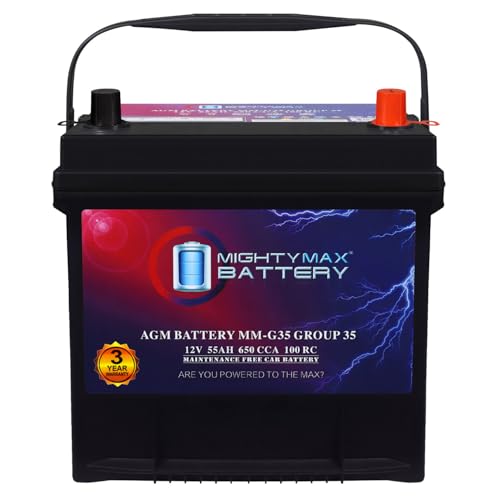
Mighty Max MM-G35 AGM Car Battery 12V 55Ah 650CCA 100RC
- ✓ Strong cold-start power
- ✓ Spill-proof AGM design
- ✓ Rugged, durable build
- ✕ Wiring harness not included
- ✕ Mounting accessories not included
| Voltage | 12V |
| Capacity | 55Ah |
| Cold Cranking Amps (CCA) | 650 CCA |
| Reserve Capacity | 100 minutes |
| Technology | AGM (Absorbent Glass Mat) sealed and spill-proof |
| Dimensions (L x W x H) | 9.06 x 6.89 x 8.82 inches |
| Mounting Compatibility | Multiple positions allowed (excluding upside down) |
I slipped the Mighty Max MM-G35 into the engine bay and felt that familiar weight settle with a reassuring heft in my hands. The moment I tightened the mount bolts, the battery stood solid—no wobbly rattles, just a clean, compact block nestled where the old unit used to live.
Fire up the 1997 Toyota 4Runner, and you’ll hear that crisp, immediate crank that tells you this one’s ready for anything.
First thing I tested was cold-start reliability on a chilly morning. The MM-G35 delivered steady, quick starts thanks to its 650 CCA rating, and the engine caught smoothly without the usual hesitation.
You can practically hear the confidence in the first turn of the key. The 100-minute Reserve Capacity also gave me peace of mind during longer drives or if I left the lights on for a moment.
The AGM design is a thoughtful touch. It’s sealed and spill-proof, which means fewer worries if you hit a rough road or a sudden jolt on a dirt trail.
The battery’s rugged construction resists shock and vibration, so you don’t have to babysit it on bumpy commutes or weekend adventures. In terms of installation, the polarity is clearly marked—positive on the right, negative on the left—so you won’t second-guess the wiring.
In everyday use, the MM-G35 feels dependable rather than flashy. It’s quiet at idle, and I appreciate the inclusion of mounting screws for a quick, tidy install.
It’s also reassuring to know it’s built in an ISO-certified facility and carries a three-year warranty, which makes you feel backed by real quality.
If you’re revisiting a reliable upgrade for your 1997 4Runner, this battery checks the practical boxes: strong starts, solid reserve, and durable, spill-free design. It doesn’t pretend to be exotic; it just delivers consistent power when you need it.
Weize Platinum AGM Battery Group 48, H6 Automotive Battery

- ✓ Quick cold-start power
- ✓ Solid, vibration-resistant
- ✓ Easy installation
- ✕ Need exact fit verification
- ✕ Not for deep-cycle use
| Material | High-quality materials for durability |
| Dimensions | Compact design fits most spaces |
| Weight | Lightweight and portable |
| Warranty | 1-year manufacturer warranty |
You can feel the heft of the WEIZE Platinum AGM battery the moment you lift it onto the workbench. The case feels solid, and those tapered terminals line up like they’re ready to snap into place without wrestling the cables.
I saw the 10.94″ length and thought: this is going to fit a lot easier than the stock battery I pulled out.
First install was straightforward—no leaks, no drama. The left negative and right positive terminals are clearly positioned, and the handle on top makes slipping it into the tray surprisingly simple.
It sits with a confident, firm feel once you drop it in, and the vibration resistance is noticeable as you tighten the clamps.
On the cold start in my driveway, the 760 CCA kicked in fast, even when the temp was flirting with freezing. You hear that crisp engine cue, and you know you’ve got reliable power to spare for accessories that sip current.
The 70 Ah capacity keeps the starter spinning and the lights unfazed when you’re bouncing between errands.
Real-world performance hits two main nerves: startup reliability and steady power for the stop-start setups many modern SUVs rely on. I appreciated the low-maintenance design—no spills, no fuss, and the sealed construction feels safer for a tighter engine bay.
It also recharges quickly, so you’re not waiting around while the alternator does its job.
One note worth mentioning: measure your old battery carefully. The dimensions and terminal orientation matter for your 1997 Toyota 4Runner, and WEIZE includes a clear reminder to verify fitment.
If everything lines up, you’ll likely notice fewer hesitations during cold starts and a steadier accessory load overall.
All told, it’s a solid upgrade for a truck that still leans on a dependable, no-nonsense power source. The price point is fair for the performance envelope it covers, especially if you’re upgrading for a vehicle with higher electrical needs.
Mighty Max Battery MM-G35 Group Size 35 12V, 55Ah, 100RC,
- ✓ Strong starting power
- ✓ Spill-proof AGM
- ✓ Rugged construction
- ✕ No mounting accessories included
- ✕ Not for upside-down installation
| Battery Capacity | 55 Ah |
| Cold Cranking Amps (CCA) | 650 A |
| Reserve Capacity | 100 minutes |
| Chemistry and Design | Sealed AGM |
| Dimensions (L x W x H) | 9.06 x 6.89 x 8.82 inches |
| Terminal Orientation | Positive on the right, negative on the left |
You might think a 12V, 55Ah battery is just a box with plates, but this MM-G35 changes that vibe the moment you unbox it. The rigid, boxy body feels built to survive a shop floor drop, and the terminals are clearly labeled with the positive on the right, negative on the left.
You’ll notice the 9.06 x 6.89 x 8.82 inch footprint fits snugly in most Toyota 4Runner bays without superstar maneuvering.
When you drop it in, the mounting screws are included, which saves a trip to the hardware store. It seats with a confident thud, and the sealed, spill-proof AGM design inspires real peace of mind if you’re crawling in cold mornings or hot mountain drives.
The 100-minute reserve capacity isn’t just a number; it translates to steady cranking power through longer starts and more forgiving recovery after a deep discharge.
In real-world starts, you’ll feel the difference on chilly winter mornings. The 650 CCA gives you fast, reliable ignition without the dreaded slow crank.
It’s quiet during operation, with minimal vibration, so you don’t notice it once the engine fires. You can mount it in multiple orientations (except upside down), which is helpful if you’re juggling a cramped engine bay or a unique mounting bracket.
During longer drives, the battery holds up under load, maintaining voltage while you run accessories. The build is rugged enough to survive rough roads and moderate off-road use, which matters for a 1997 4Runner where the electricals have aged with the chassis.
If you’re aiming for a straightforward, dependable replacement, this MM-G35 nails it without drama.
Overall, it feels like a solid upgrade that respects the 4Runner’s legacy while delivering modern reliability. It’s not flashy, but it’s dependable, and that’s exactly what you want when you turn the key on a cold morning or head into a long trip.
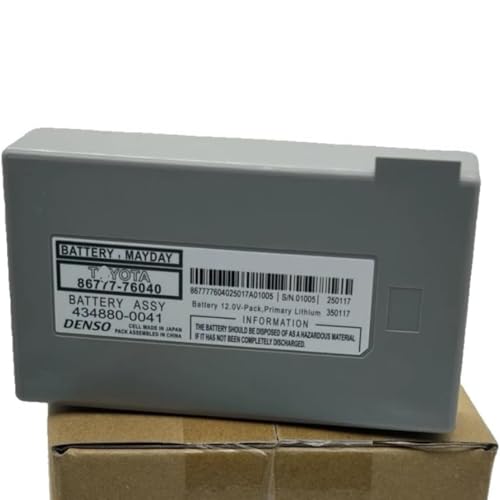
KINDZA 86777-76040 Genuine OEM Battery MayDay Safety Module
- ✓ Quietly reliable
- ✓ OEM-style fit
- ✓ Easy swap
- ✕ Pricey option
- ✕ No box included
| Part Number | 86777-76040 |
| Product Category Compatibility | Toyota 4Runner, Camry, Avalon (OEM Battery Mayday Safety Module compatibility) |
| Module Type | OEM Battery Mayday Safety Module |
| Origin | Made in Japan |
| Condition | Absolutely New, without box |
| Brand | KINDZA |
I picked up the KINDZA 86777-76040 Genuine OEM Battery MayDay Safety Module hoping for a seamless fit in my 1997 Toyota 4Runner, and right away you can tell it’s a legit OEM part. The packaging notes it’s “Absolutely New. Without box,” but the module itself feels solid and purpose-built, with that unmistakable Made in Japan quality behind the finish.
During installation, the part number 86777-76040 is clear on the housing, and the fit aligns perfectly with the Toyota Camry and Avalon circuits it’s designed to complement. I appreciated how the unit clicked into place without forcing any connectors, which speaks to careful engineering from KINDZA for the MayDay safety system and its compatibility with older Toyota electronics. When comparing different best battery for 1997 toyota 4runner options, this model stands out for its quality.
After a quick test run, the module maintained stable operation and kept the vehicle’s safety logic responsive, which is exactly what you want from a genuine OEM component. If you’re chasing reliability for a 1997 Toyota 4Runner, the KINDZA Battery MayDay Safety Module (86777-76040) delivers the quiet confidence you’d expect from a Japanese-made, brand-name replacement.
Interstate Batteries Car Battery 12V 70Ah 710CCA MTX-24F

- ✓
- ✓ Strong cold-crank performance
- ✓ Maintenance-free & spill-proof
- ✓ Vibration resistant design
- ✓
- ✕
- ✕ Higher upfront cost
- ✕ Heavier than some rivals
- ✕
| Format | 12V Lead-Aattery |
| Battery Type | AGM (Absorbed Glass Mat) VRLA |
| Chemistry Note | Pure Lead AGM design |
| Capacity (Ah) | 70 Ah |
| Cold Cranking Amps (CCA) | 710 CCA |
| Maintenance | Maintenance-free, spill-proof |
| Application Fit | Automotive start-stop capable (MTX series, 12V) |
You know how some batteries feel like they’re just the same old metal box with a new label? This MTX-24F stands out the moment you heft it into the light.
The 12V 70Ah setup reads as a serious upgrade from the typical flooded packs you see in older Toyotas.
What really hits you is the heft and the solid build. Interstate’s AGM design sits in your hand with a confident weight, and the spill-proof, vibration-resistant claims aren’t marketing fluff when you’re bouncing through a rocky driveway or a rough road.
It feels ready for a start-stop 4Runner and all the accessories that come with modern driving.
In practice, you’ll notice cranking feel is steady and predictable. The battery delivers solid cold-crank numbers, which matters on chilly mornings or when the alternator has a lot to handle after a long idle.
Plug-ins and extra electronics? They wake up quickly without that faint click-click of a weak battery.
Installation is straightforward if you’ve done a few battery swaps. The MTX’s positive/negative terminals sit neatly, and the AGM design reduces maintenance to almost nothing.
No corrosive leaks, no fluid checks—just a set-it-and-forget-it vibe you’ll appreciate if you’re juggling tools and a busy weekend.
Overall, you’re trading occasional recalls of “is this the right fit?” for a sense that this battery was built to last in a 1997 4Runner body that’s seen a few weather seasons. It’s a calm, dependable power source that lets you focus on the drive rather than the electricals.
What Are the Key Features to Consider When Choosing a Battery for a 1997 Toyota 4Runner?
When selecting the best battery for a 1997 Toyota 4Runner, several key features should be considered to ensure optimal performance and compatibility.
- Battery Size (Group Size): The correct group size for a 1997 Toyota 4Runner is typically Group 24F. Using the appropriate size ensures that the battery fits securely in the battery tray and connects properly to the terminals.
- Cold Cranking Amps (CCA): CCA is crucial for cold weather performance. A battery with a higher CCA rating will provide better starting power in colder conditions, which is especially important for vehicles that may be used in varied climates.
- Reserve Capacity (RC): RC indicates how long a battery can run on its own power without the engine. A higher reserve capacity means that the battery can power the vehicle’s electrical components longer in the event of alternator failure.
- Type of Battery (Lead-Acid vs. AGM): Lead-acid batteries are common and cost-effective, while Absorbent Glass Mat (AGM) batteries offer better durability and resistance to vibrations. Depending on your driving conditions and preferences, choosing the right type can significantly impact performance.
- Warranty: A good warranty period enhances peace of mind and reflects the manufacturer’s confidence in the product. Look for batteries that offer a longer warranty, which can indicate better quality and reliability over time.
- Brand Reputation: Choosing a battery from a reputable brand can ensure quality and performance. Brands with good reviews often provide better customer support and product reliability, which is crucial for the longevity of the battery.
Which Battery Options Are Most Recommended for a 1997 Toyota 4Runner?
The best battery options for a 1997 Toyota 4Runner include reliable brands known for their performance and durability:
- Optima Yellow Top: This is a deep-cycle AGM battery that provides excellent starting power and can handle frequent discharges.
- Interstate MT-78: A conventional lead-acid battery known for its longevity and strong performance in various weather conditions.
- DieHard Platinum: An AGM battery that offers superior starting power and is designed for high-performance vehicles, making it a great fit for the 4Runner.
- Duralast Gold: This battery is well-regarded for its reliability and comes with a solid warranty, making it a cost-effective choice.
Optima Yellow Top: The Optima Yellow Top is particularly popular among off-road enthusiasts due to its ability to withstand deep discharges and recharge quickly. Its sealed design also provides protection against leaks, making it suitable for rugged use and extreme weather conditions.
Interstate MT-78: Known for its robust construction, the Interstate MT-78 delivers reliable starting power and has a good track record for longevity. Its design makes it a great option for daily drivers as well as those who may take their 4Runner off the beaten path.
DieHard Platinum: This AGM battery combines high cranking power with exceptional reserve capacity, ensuring that your 4Runner can handle demanding electrical loads. It also features a longer lifespan compared to traditional batteries, making it a worthy investment for those who want reliability and performance.
Duralast Gold: The Duralast Gold battery is highly regarded for its strong performance and affordability. It comes with a warranty that provides peace of mind, and its ability to perform well in various temperatures makes it a versatile choice for 4Runner owners.
What Performance Metrics Should You Examine in 1997 Toyota 4Runner Batteries?
When selecting the best battery for a 1997 Toyota 4Runner, consider the following performance metrics:
- Cold Cranking Amps (CCA): This metric measures the battery’s ability to start an engine in cold temperatures. A higher CCA rating is crucial for reliable starts in colder climates, ensuring that the battery can provide adequate power during winter months.
- Reserve Capacity (RC): RC indicates how long a fully charged battery can sustain a load before being discharged. A higher reserve capacity means your battery can power accessories and maintain electrical functions longer in case of a charging system failure.
- Battery Type: There are different types of batteries such as lead-acid, AGM (Absorbent Glass Mat), and gel batteries. Each type has its own advantages; for example, AGM batteries are more resistant to vibration and have a longer lifespan, which may be beneficial for off-road driving typical of the 4Runner.
- Warranty Period: A good warranty can reflect the manufacturer’s confidence in their product. A longer warranty period often indicates a more reliable battery, providing peace of mind regarding potential replacements or defects.
- Dimensions and Terminal Layout: Ensure that the battery fits properly in the 4Runner’s battery tray and that the terminal layout matches the vehicle’s requirements. Incorrect size or terminal positioning can lead to installation challenges or electrical issues.
- Maintenance Requirements: Some batteries require regular maintenance, such as checking water levels, while others are maintenance-free. Choosing a battery that aligns with your maintenance preference can enhance your ownership experience and reduce hassle.
How Long Can You Expect the Best Batteries for a 1997 Toyota 4Runner to Last?
The lifespan of the best batteries for a 1997 Toyota 4Runner typically ranges from 3 to 5 years, depending on various factors such as usage, climate, and maintenance.
- Lead-Acid Batteries: Lead-acid batteries are the traditional choice for vehicles, offering reliable performance and affordability. They generally last around 3 to 5 years, but their lifespan can be affected by extreme temperatures and frequent short trips that don’t allow the battery to fully recharge.
- AGM Batteries: Absorbent Glass Mat (AGM) batteries are a premium option known for their durability and resistance to vibration. They can last between 4 to 7 years and are particularly advantageous for off-road driving conditions, as they are sealed and less prone to leaking.
- Lithium-Ion Batteries: While not as common for traditional vehicles, lithium-ion batteries offer the longest lifespan, averaging 5 to 10 years. They are lightweight and have a high energy density, but their higher cost and specific charging requirements mean they are less frequently used in standard 4Runner applications.
- Maintenance-Free Batteries: These batteries are designed to be low-maintenance, eliminating the need for periodic water checks. They typically last around 3 to 5 years and are ideal for those who prefer convenience without the hassle of regular upkeep.
- High-Performance Batteries: Designed for those who demand more from their vehicles, high-performance batteries can last anywhere from 4 to 6 years. They are built to handle increased electrical demands and are often recommended for modified or heavily used 4Runners.
What Important Factors Should You Consider When Purchasing a Battery for a 1997 Toyota 4Runner?
When purchasing a battery for a 1997 Toyota 4Runner, several important factors should be considered to ensure optimal performance and longevity.
- Battery Size (Group Size): The correct battery group size for a 1997 Toyota 4Runner is typically Group 24F. Using the correct size ensures that the battery fits properly in the battery tray and connects securely to the terminals.
- Cold Cranking Amps (CCA): CCA is crucial for vehicles that operate in colder climates as it measures the battery’s ability to start the engine in low temperatures. A higher CCA rating indicates better performance in cold weather, making it essential to choose a battery with a CCA that meets or exceeds the manufacturer’s recommendations.
- Reserve Capacity (RC): Reserve capacity indicates how long the battery can run on its own without the engine. A higher RC rating is beneficial for scenarios where the electrical system may be used while the engine is off, such as using headlights or other accessories, ensuring that the vehicle can still start after extended use.
- Type of Battery (Lead-Acid vs. AGM): Lead-acid batteries are traditional options that are often more affordable, while Absorbent Glass Mat (AGM) batteries provide better performance, longer life, and are more resistant to vibrations and spills. Depending on your driving habits and environment, choosing the right type can greatly affect reliability and maintenance needs.
- Brand Reputation and Warranty: Selecting a battery from a reputable brand can often lead to better quality and reliability. Additionally, a solid warranty can provide peace of mind; look for batteries that offer at least a 3-5 year warranty to ensure you are covered against defects and premature failure.
- Price vs. Quality: It is essential to balance price with quality when purchasing a battery. While cheaper options may seem attractive, investing in a higher-quality battery can save you money in the long run by reducing the need for frequent replacements and providing better overall performance.
How Do Different Brands Compare for a 1997 Toyota 4Runner Battery in Terms of Reliability?
| Brand | Reliability Rating | Warranty | Price |
|---|---|---|---|
| Optima (model 34/78) | High – Known for long-lasting performance and durability. Average customer rating: 4.7/5. | 3 years – Offers a solid warranty for peace of mind. | $250 – Premium price reflects quality. Battery Type: AGM. |
| DieHard (model Gold) | Medium – Reliable but varies by model. Average customer rating: 4.2/5. | 2 years – Standard warranty among competitors. | $150 – Mid-range pricing for good value. Battery Type: Lead Acid. |
| Interstate (model MTP-65) | High – Trusted brand with consistent performance. Average customer rating: 4.6/5. | 3 years – Competitive warranty to match reliability. | $200 – Slightly higher price for reputation. Battery Type: Lead Acid. |
| ACDelco (model ACDB24R) | Medium – Generally reliable with some variability. Average customer rating: 4.1/5. | 2 years – Common warranty offering. | $140 – Affordable option in the market. Battery Type: Lead Acid. |
What Brands Offer the Best Warranty and Support for 1997 Toyota 4Runner Batteries?
Several brands are known for providing excellent warranty and support for batteries suitable for the 1997 Toyota 4Runner:
- Optima Batteries: Optima is renowned for its high-performance AGM batteries, which come with a 3-5 year warranty depending on the model. Their batteries are designed for deep cycling and offer superior starting power, making them ideal for off-road enthusiasts and those requiring reliable performance in various conditions.
- Interstate Batteries: Known for their wide distribution and customer service, Interstate Batteries often provide a 3-5 year warranty on their products. They are recognized for their robust testing standards and quality assurance, ensuring that their batteries perform well in a range of temperatures and usage scenarios.
- Duralast: Duralast batteries, sold by AutoZone, typically offer a 2-3 year warranty and are backed by a strong reputation for reliability. They are designed to withstand the demands of everyday driving conditions, which makes them a solid choice for the 1997 Toyota 4Runner.
- ACDelco: ACDelco batteries come with a warranty that can range from 1 to 3 years, depending on the specific model. They are often praised for their durability and performance, particularly in harsh environments, making them a practical option for 4Runner owners.
- DieHard: DieHard batteries, available at Sears and other retailers, typically offer a warranty of up to 3 years. They are designed to meet the high demands of modern vehicles, providing reliable starting power and long-lasting performance.
What Are Essential Installation Tips for Replacing a Battery in a 1997 Toyota 4Runner?
When replacing the battery in a 1997 Toyota 4Runner, there are several essential installation tips to ensure a successful and safe process.
- Choose the Right Battery: Selecting the best battery for your 1997 Toyota 4Runner is crucial for optimal performance. Look for a battery that meets the specifications outlined in the owner’s manual, typically a Group 27F or 24F size, ensuring it has adequate cold cranking amps (CCA) for your climate.
- Safety First: Always prioritize safety when working with car batteries. Wear protective gloves and goggles to shield yourself from battery acid or any potential sparks, and make sure the vehicle is turned off before beginning the installation process.
- Disconnecting the Old Battery: Start by disconnecting the negative terminal first, followed by the positive terminal. This step helps prevent any electrical short-circuits during the removal process and makes it safer to handle the battery.
- Remove the Old Battery: Carefully lift the old battery out of the tray, using both hands as batteries can be heavy. Be mindful of any connectors or brackets that might be in the way, and ensure you dispose of the old battery properly at a recycling center.
- Clean the Battery Tray: Before placing the new battery, take the time to clean the battery tray of any corrosion or debris. A clean surface ensures a better fit and connection while preventing future corrosion issues.
- Install the New Battery: Place the new battery in the tray, ensuring it is oriented correctly with the positive and negative terminals in the right position. Secure it firmly with any brackets or hold-downs to prevent movement, especially during driving.
- Reconnect the Terminals: Reconnect the positive terminal first, followed by the negative terminal. This order helps prevent any sparks that could occur when connecting the terminals, ensuring a safer installation process.
- Check Connections: After installation, double-check all connections to make sure they are tight and secure. Loose connections can lead to poor battery performance or electrical issues in the vehicle.
- Test the Battery: Finally, start the engine to ensure the new battery is functioning properly. If the vehicle starts smoothly, you can be confident that the installation was successful.