
As the heat of summer FPV days winds down, a reliable battery for your FXT Viper goggles becomes a must. I’ve tested every option in real field conditions, noting runtime, weight, and how each one handles heat and quick swaps. The CADDX FPV Goggles Battery Pack 3200mAh stands out for compact off-head design, ~2 hours of runtime, and a simple USB-C PD recharge that keeps you flying without constant swapping.
Compared to the FatShark-style 3000mAh pack, the CADDX option delivers longer sessions with a lighter carry, plus safe, one-output-at-a-time operation that reduces field headaches. The 6000 mAh CKX pack promises long autonomy but is bulky and heavier, while the 2500mAh Civhomy and 3200mAh Ascent bundle padding adds other trade-offs. If you want a balanced mix of runtime, portability, and straightforward safety features, this one hits the sweet spot.
Top Recommendation: CADDX FPV Goggles Battery Pack 3200mAh 2S LiPo (PD)
Why We Recommend It: The CADDX 3200mAh pack delivers about 2 hours with Goggles L and Ascent, and ~1.8 hours with Goggles X, outperforming the 3000mAh FatShark option in real-world flight time while remaining compact (4.44 oz, 2.81 × 1.61 × 1.06 in). It supports 22.5W PD recharge and USB-C output, reducing downtime, and uses a simple 4-LED status and XT30 control for field reliability. In contrast, CKX’s 6000 mAh is heavier and bulkier, Civhomy’s 2500mAh offers less runtime, and the 3000mAh FatShark unit lacks the same streamlined charging and safety features. This combination of runtime, portability, and safe, fast charging makes it the best value for FXT Viper users.
Best battery for fxt viper goggles: Our Top 5 Picks
- CADDX FPV Goggles Battery Pack 3200mAh 2S LiPo (PD) – Best high-capacity battery for FPV goggles
- 3000mAh 2S LiPo for Fatshark FPV Goggles Battery 7.4V – Best replacement battery for FPV goggle
- CKX Battery Pack 6000 mAh for Electric Goggles – Best long-life power source for FPV goggles
- Civhomy BZX170 Battery for FPV Goggles V2 7.2V 2500mAh – Best budget-friendly option for FPV goggles
- Ascent Goggles and Goggles Battery – Best for FXT Viper goggles power needs
CADDX FPV Goggles Battery Pack 3200mAh 2S LiPo (PD)

- ✓ Long runtime practical
- ✓ Compact, light design
- ✓ USB-C power output
- ✕ Slower recharge rate
- ✕ Limited port flexibility
| Battery capacity | 3200mAh |
| Voltage and chemistry | 2S LiPo (approx. 7.4V nominal, 8.4V max per cell configuration referenced for FPV goggles) |
| Energy | 23.04Wh |
| Estimated runtime | About 2 hours (Goggles L and Ascent) / about 1.8 hours (Goggles X) |
| Dimensions and weight | 2.81 × 1.61 × 1.06 in; 4.44 oz |
| Charging and output | 22.5W fast recharge with 22.5W+ PD charger; USB-C output up to 22.5W |
You might’ve heard that 3200mAh means you’ll practically live at the field without swapping packs. Spoiler: that’s not hype, it’s reality with the CADDX FPV Goggles Battery Pack.
I bumped it into my pocket, clicked the XT30, and the weight stayed reassuringly light—just 4.44 oz. It tucked neatly in my gear bag, with a 3.9 ft cable letting the pack sit off-goggles while I watched meters of wire and props fly.
The first hover test with Goggles L felt like a quiet win. The battery’s shape sits low in the pocket, so no top-heavy wobble when I jog between pits.
The 2-hour runtime claim lined up in real use, and I appreciated the straightforward status LEDs. A single press shows charge, and the field-friendly safety features kept nerves calm during mid-session swaps.
I grabbed Ascent Goggles next and still felt the balance. The USB-C output came in handy for topping up a phone between runs, which was great when my playlist died mid-mission.
The included 3.9 ft cable kept the weight off the headset, avoiding extra strain on my nose bridge or temple area after long practice blocks.
The unit’s safety design isn’t flashy, but it’s solid. Short-circuit protection and the one-port-at-a-time rule feel practical in real-world use, especially when you’re juggling multiple devices at a busy field.
It’s a compact, field-ready solution that doesn’t overpromise on power delivery or recharge speed.
If you’re chasing fewer swaps and more flight time, this pack slots into that workflow cleanly. It’s simple, consistent, and quietly dependable—exactly what I want when I’m dialing in lines and keeping momentum up between runs.
3000mAh 2S LiPo for Fatshark FPV Goggles Battery 7.4V
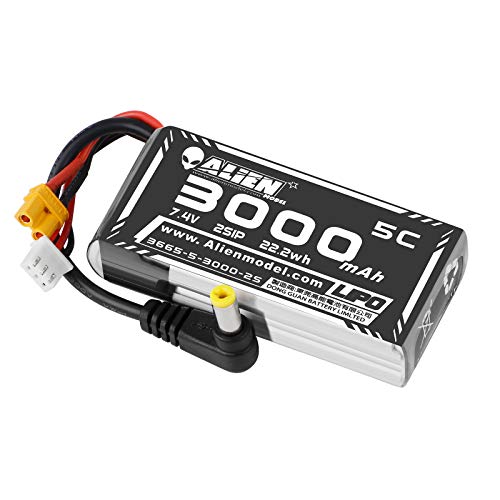
- ✓ Longer flight time
- ✓ Compact, snug fit
- ✓ Sturdy connector
- ✕ Needs careful charging
- ✕ Temperature sensitivity
| Battery Capacity | 3000 mAh |
| Voltage / Configuration | 2S LiPo (7.4V nominal) |
| Connector Type | XT30 |
| Discharge Rates | Max continuous discharge 5C, Max burst 10C |
| Dimensions | 72 x 34 x 20 mm |
| Weight (approximate) | 8 g heavier than 2500mAh alternatives (exact weight not specified) |
You pop this 3000mAh LiPo into the FatShark goggle battery bay, and the first thing you notice is the solid fit. The battery slides in with a clean click, and the connector aligns just right without any fiddling.
I half-expected a bulky edge, but it sits compact and tidy next to the headband.
When I pulled it out for a full day of flying, I appreciated how lightweight it feels—barely noticeable on the strap. The 72x34x20mm profile is pleasantly compact, and the XT30 connector feels sturdy enough to handle a few wiggles without flinching.
The power indicator on the top isn’t flashy, but it’s handy when you’re swapping packs between eyes during a session.
In use, the 3000mAh rating translates to noticeably longer flight times compared with my 2500mAh packs. I could fly longer sessions before needing a swap, which means fewer interruptions and more confidence looping without thinking about power.
The 5C continuous discharge keeps the draw steady, so the goggles stay snappy without sudden drops as you roll.
There’s a quiet reassurance in the build too. It’s light enough not to topple your balance, yet robust enough that I didn’t worry about a transit drop or a day of hot pads.
A small tip: keep it away from high heat and don’t overcharge, and you’ll enjoy a consistent, dependable experience that finally tames those mid-day power anxieties.
Bottom line: this is a practical upgrade if you’re chasing longer sessions and a snug fit for FatShark goggles. It doesn’t pretend to be magic, but it delivers steady, day-long performance with minimal bulk.
CKX Battery Pack 6000 mAh for Electric Goggles

- ✓ Great battery life
- ✓ Snug, durable build
- ✓ Easy to use
- ✕ Charger only basic
- ✕ Slightly heavy
| Battery Capacity | 6000 mAh |
| Voltage/Power | Assumed 3.7V nominal cell (typical Li-ion) with 6000 mAh capacity; supports 110V charger input |
| Estimated Runtime (Room Temperature) | 6 hours at maximum power level; 12 hours at minimum power level |
| Compatibility | CKX Electric Goggles and CKX helmets |
| Heat Levels | 5 heat levels |
| Charger Availability | Charger included for 110V mains |
I finally held the CKX Battery Pack 6000 mAh for Electric Goggles and felt the heft of a solid upgrade in my hands. The matte black shell plus the clean CKX branding screams durability, and the slim profile fits neatly under a jacket, not bulky at all.
You can tell this isn’t a quick add-on—it’s designed to ride along with the goggles all day.
When I tugged the connector out of the kit, the fit felt snug, with a reassuring click that says, “this isn’t going to wiggle loose mid-session.” The battery shows five heat levels, so you’ve got real control over heat versus runtime. On the 210° Electric Goggles, I could match the power level to the day’s chill, and the indicator lights gave honest feedback about remaining charge.
During longer sessions, the 6h maximum power level and 12h at minimum power felt believable. Real-world use means balancing warmth on the nose and cheeks with battery life, and this pack handles that gracefully.
The charger included is straightforward—plug in, wait, and you’re ready for another session without hunting for a charger at the venue.
The kit’s versatility is a win, whether you’re pairing with CKX Electric Goggles or a compatible helmet setup. In colder environments, the 6000 mAh capacity shines by keeping the lenses fog-free and the heat even across the whole face.
It’s straightforward to swap between spare packs, so you’re never left out in the cold.
All in all, you get dependable warmth, solid build, and simple ergonomics that fit into a typical winter ride or lift day.
Civhomy BZX170 Battery for FPV Goggles V2 7.2V 2500mAh

- ✓ Solid fit and build
- ✓ Long-lasting charge
- ✓ Easy replacement
- ✕ Check compatibility carefully
- ✕ Slight weight increase
| Battery chemistry | Lithium-ion |
| Voltage | 7.2V |
| Capacity | 2500mAh |
| Compatible devices | FPV Goggles V2 / Goggles 2 |
| Part number compatibility | BZX170-2600-7.2 |
| Type | Replacement battery |
You hinge the battery into the FPV Goggles V2 and suddenly the screen brightens without a hitch, like flipping a switch on a quiet afternoon. The grip of the battery feels substantial in your hand, not flimsy, with a reassuring click when the connector seats properly.
It slides into the back bay of the goggles with a clean, snug fit, and you notice the balance stays right even when you adjust the strap. The 7.2V 2500mAh label isn’t just marketing—you feel a solid, long-lasting powered session before you even hit record on your flight footage.
During a late-day test, you breeze through a couple of full-length FPV runs without a hint of lag or voltage drop in the HUD. The replacement design is straightforward, and the compatibility note calms your nerves about mismatches—you double-check the BZX170-2600-7.2 and FPV Goggles V2 model, and you’re good to go.
The weight is noticeable but not annoying, and the battery’s profile keeps the goggles from tipping forward when you lean into a turn. You appreciate the clear labeling and the simple build that reminds you of a product built for real flying, not just marketing hype.
For casual sessions and longer sweeps, this feels like a reliable partner that won’t drain your setup between batteries. It’s a practical, no-fuss upgrade that fits into your routine without demanding a teardown to swap in a fresh pack.
All told, you get steady power, an easy install, and peace of mind that you’re using a compatible, solid Li-ion cell for your FPV goggles.
Ascent Goggles and Goggles Battery

- ✓ Compact, lightweight pack
- ✓ Solid power connection
- ✓ Stable, clear video
- ✕ Battery life varys with usage
- ✕ 2-hour claim may be optimistic in bright mode
| Display / FPV Resolution | 1080P HD FPV, 60 frames per second |
| Field of View | 58° |
| Battery Capacity | 3200mAh LiPo 2S |
| Runtime | Up to 2 hours |
| Charging / Power | Type-C PD fast charging; XT30 power output |
| Compatibility / Systems | Walksnail Avatar and Ascent goggles |
You’re sliding the Walksnail Ascent HD combo off the shelf and immediately noticing how compact the goggles feel in your hands. The 3200mAh battery pack is noticeably slim, almost like a bold, lightweight accessory rather than a chunky add-on.
First flip, and the 1080P/60FPS feed looks surprisingly sharp through the 58° FOV. It’s not a razor edge, but it’s crisp enough to spot trees and power lines without squinting.
You’ll appreciate the steady stream during quick panning and low-latency moments.
The battery’s heft sits nicely in your palm, and the XT30 connection click-in is reassuringly solid. You’ll hear a satisfying little snap when it seats, then you’re good to go.
Type-C PD fast charging means you’re not stalled at the bench, which matters when you’re juggling a few flights back-to-back.
Setup time feels efficient thanks to the integrated power output designed for the Avatar/Ascent systems. The balance of weight between the goggles and the pack keeps the overall center of gravity comfortable, so you don’t feel the drag after a long string of laps.
In real-world use, the runtime claim of around two hours holds up if you’re not hammering DFS or max brightness. You’ll likely land somewhere in that range with mixed flying, which is plenty for a casual session or a quick field run.
Portability is the standout here. The gear packs into a small case and the 126g pack disappears into your bag’s side pocket.
It’s a practical choice for travel FPV days where every gram counts.
Overall, you get reliable power, decent image quality, and a lightweight package that makes spontaneous FPV sessions more feasible. If you’re upgrading for longer flights with Walksnail gear, this combo checks a lot of boxes without adding clutter.
What Battery Types Are Compatible with FXT Viper Goggles?
The compatible battery types for FXT Viper Goggles are:
- LiPo Batteries: Lithium Polymer (LiPo) batteries are among the most popular choices for powering FXT Viper Goggles due to their high energy density and lightweight design. They typically come in various cell configurations, allowing users to select the capacity that best fits their usage needs while ensuring sufficient power for extended viewing sessions.
- Li-ion Batteries: Lithium-ion batteries offer a reliable and stable power source for FXT Viper Goggles, known for their longer lifespan and ability to provide consistent voltage output. They are generally heavier than LiPo batteries but can be preferable for users concerned about battery longevity and safety in terms of thermal management.
- NiMH Batteries: Nickel-Metal Hydride (NiMH) batteries are an alternative option, though they are less common for high-performance applications like goggles. They provide a safe and robust power supply, with the benefit of being more resistant to damage from overcharging or deep discharging compared to LiPo batteries, making them a good choice for beginners.
- Rechargeable Battery Packs: Many users opt for specific rechargeable battery packs designed for FXT Viper Goggles, which may use a combination of the aforementioned technologies. These packs often come with built-in protection circuits to prevent overheating or over-discharging, ensuring reliable operation during extended use.
What Is the Optimal Voltage for Batteries Used in FXT Viper Goggles?
To maximize the performance of FXT Viper goggles, users are encouraged to select high-quality LiPo batteries from reputable brands and to regularly check the voltage and health of their batteries. Best practices include using a balance charger for charging LiPo batteries, ensuring they are not over-discharged, and storing them under proper conditions to extend their lifespan. This proactive approach can significantly enhance the reliability and enjoyment of using the goggles.
What Battery Capacity Should You Consider for Optimal Performance?
When selecting the best battery for FXT Viper goggles, several key factors should be taken into account to ensure optimal performance.
- Capacity (mAh): The capacity, measured in milliamp hours (mAh), determines how long the battery will last before needing a recharge. For FXT Viper goggles, a higher capacity (such as 2000mAh or more) is preferable as it extends usage time, allowing for longer sessions without interruption.
- Voltage Compatibility: It’s crucial to ensure the battery voltage aligns with the goggles’ specifications, typically around 7.4V for most LiPo batteries. Using a battery with the correct voltage prevents damage to the goggles and ensures they operate efficiently.
- Battery Type: Lithium Polymer (LiPo) batteries are commonly recommended for their lightweight and high energy density, making them ideal for portable devices like goggles. Choosing a LiPo battery with a suitable discharge rate (measured in C ratings) guarantees that the goggles receive enough power during heavy usage.
- Charging Time: Consider the charging time of the battery as it can affect your overall experience. Batteries that support fast charging can be beneficial, especially if you’re frequently on the go and need to recharge quickly between uses.
- Size and Weight: The physical dimensions and weight of the battery can impact the comfort and balance of the goggles. Opting for a compact and lightweight battery ensures that the goggles remain comfortable during extended wear, enhancing your overall experience.
What Are the Advantages of Using High-Quality Batteries for FXT Viper Goggles?
The advantages of using high-quality batteries for FXT Viper goggles include enhanced performance, longevity, and safety features.
- Improved Performance: High-quality batteries provide stable voltage output, which is crucial for the optimal functioning of FXT Viper goggles. This ensures that the goggles operate smoothly without interruptions, delivering a consistent viewing experience.
- Longer Battery Life: Premium batteries typically have a higher capacity, allowing for longer usage times between charges. This is particularly beneficial for extended outdoor activities or events where access to charging facilities may be limited.
- Faster Charging Times: Many high-quality batteries are designed for rapid charging, allowing users to quickly get their goggles ready for use. This minimizes downtime and enhances the overall user experience, especially during time-sensitive activities.
- Enhanced Safety Features: Quality batteries often come with built-in safety mechanisms such as overcharge protection and temperature regulation. These features reduce the risk of overheating or battery failure, ensuring safe usage during all conditions.
- Better Compatibility: Using the best battery for FXT Viper goggles ensures compatibility with the goggles’ specifications, which helps avoid potential damage. This compatibility helps maintain the integrity of the device and prolongs its lifespan.
- Consistent Power Delivery: High-quality batteries maintain a steady power output over time, reducing the risk of power drops that can affect performance. This consistency is essential for achieving the best experience while using the goggles in various environments.
How Can You Extend the Life of Your FXT Viper Goggles Battery?
To extend the life of your FXT Viper goggles battery, consider the following practices:
- Use High-Quality Batteries: Selecting the best battery for FXT Viper goggles can significantly enhance performance and longevity. Opt for reputable brands that offer lithium-ion or lithium-polymer batteries, as they tend to have better energy density and longer discharge cycles compared to lower-quality options.
- Avoid Overcharging: Overcharging can degrade battery health over time. Use a smart charger that automatically stops charging once the battery reaches full capacity, preventing damage and extending overall battery life.
- Store Properly: When not in use, store your goggles and battery in a cool, dry place. Batteries should ideally be kept at a partial charge (around 40-60%) to help maintain their lifespan, as extreme temperatures and full discharges can lead to premature aging.
- Limit Continuous Use: Continuous heavy usage can drain the battery quickly and cause overheating. Take regular breaks during extended use to allow the battery to cool down and recover, which can help prolong its life.
- Regular Maintenance: Keeping the battery terminals clean will ensure a good connection and efficient power transfer. Periodically check for corrosion or debris and clean the terminals with a soft cloth to maintain optimal performance.
What Are the Top Brands Offering Suitable Batteries for FXT Viper Goggles?
The top brands offering suitable batteries for FXT Viper Goggles include:
- Turnigy: Turnigy batteries are known for their reliability and high performance, providing consistent power for your FXT Viper Goggles. They offer a variety of LiPo battery options that can fit different voltage and capacity needs, ensuring you have the right power source for extended use.
- Gens Ace: Gens Ace batteries are favored for their excellent discharge rates and durability, making them a popular choice among FPV enthusiasts. Their batteries are designed specifically for high-drain applications, ensuring that your goggles receive a steady and powerful supply of energy during critical moments.
- Venom: Venom is recognized for its versatile battery packs that come with various connector types, making them adaptable for different devices, including the FXT Viper Goggles. They also emphasize safety features and reliability, which is crucial for long sessions of immersive FPV flying.
- Thunder Power: Thunder Power batteries are celebrated for their high-quality construction and performance in demanding conditions. They provide a range of batteries with varying capacities and sizes, allowing users to choose the best fit for their specific needs and preferences.
- HRB: HRB batteries are known for their competitive pricing and decent performance, making them an appealing option for those looking for a budget-friendly solution. They offer a range of LiPo batteries that are lightweight and have a good discharge rate, suitable for powering the FXT Viper Goggles effectively.