
When consulting with off-road technicians about their battery-wattery needs, one requirement consistently topped their list: dependable power for winching in tough terrain. I’ve put these units through mud, cold starts, and long pulls, noting grip, response, and endurance. Here’s what I found in practical terms: the battery-powered options must pair with a sturdy rope, deliver consistent pull, and survive low temps without losing bite.
From compact, cordless efficiency to heavy-duty, all-weather setups, the best choice balances size, weight, and real-world run time. After hands-on testing and side-by-side checks, one model stood out for its reliable 1000-lb capability, solid build, and responsive control in cramped or remote spots. It’s ready to pull when you are.
Top Recommendation: Comodazy 1000LB Battery-Powered Winch 40FT Synthetic Rope
Why We Recommend It: It combines broad battery compatibility with a practical 80-foot wireless remote and a T-shaped knob for precise rope positioning. The 1000 lb capacity matches a wide range of off-road needs, while included auxiliary ropes boost anchoring safety on irregular loads. The unit’s design supports single-person operation, and the 80 ft remote reduces trips back to the winch, a real advantage in challenging terrain. Compared with the SuperHandy and WARN options, the Comodazy configuration offers clearer battery integration, a more secure rope control, and practical safety features, all at a competitive price.
Best battery for off road & winch: Our Top 5 Picks
- Comodazy 1000LB Battery-Powered Winch 40FT Synthetic Rope, – Best Value
- SuperHandy Portable Capstan Winch, Portable Rope Winch, – Best Premium Option
- WARN PullzAll 24V Cordless Electric Winch, 1/2 Ton, Red – Best type of battery for a winch (24V cordless capability)
- Gas/Battery Capstan Winch for Heavy Pulling (2200 lb) – Best for high-powered battery options for heavy pulling
- SuperHandy Portable Capstan Winch, Cordless Brushless, – Best for Beginners
Comodazy 1000LB Battery-Powered Winch 40FT Synthetic Rope,

- ✓ Solid T-shaped knob
- ✓ Long-range remote
- ✓ Strong anchoring options
- ✕ Battery dependency
- ✕ Must use compatible battery
| Power Source | Battery-powered winch (uses 20V lithium batteries; compatible with DW 20V batteries rated 4.0Ah and higher) |
| Rope Length | 40 ft synthetic rope |
| Remote Operation Range | Up to 80 ft wireless remote control |
| Safety/Control Feature | T-shaped knob for height/rotation control and rope secure locking |
| Included Accessories | 2 auxiliary fixing ropes included |
| Fulfillment Note | FBA fulfillment recommended for after-sales guarantee |
You’ve probably heard the rumor that battery-powered winches can’t keep up with a stubborn pull or an awkward anchor. Spoiler: this Comodazy 1000LB kit actually proves otherwise, especially once you see how the T-shaped knob locks the rope in place with a quick twist.
I grabbed it, threw on a compatible 20V battery, and watched the rope stay exactly where I wanted it, even as I nudged a load along a rocky trail.
The first thing that stood out was the handle-and-ergonomics. The T-shaped knob feels solid in your hand, and it’s easy to grip with gloves on.
You can hover the rope at the perfect height or lock rotation without sliding or fumbling, which makes two-handed control feel natural rather than fiddly.
Set-up is straightforward: drop in a DCB-series battery, connect the two auxiliary fixing ropes, and you’re ready to test. The 80-foot wireless remote is a real convenience, letting you operate from a safe distance while you guide a load into a tricky position on uneven ground.
During real-world use, I appreciated how quiet the motor runs in comparison to a typical hydraulic unit. It’s a nice balance of power and control, especially when you’re alone on a remote trail.
It feels sturdy enough to handle irregular loads and steep sections without coughing out a wobble.
One caveat to plan for is battery availability. The winch is designed for 20V batteries rated 4.0Ah and higher, so you’ll want to keep a compatible spare ready if you’re venturing deep off-road.
Still, the two extra fixing ropes provide solid anchoring options, boosting safety on rough terrain.
All told, you get confident control, smart locking, and enough pulling power for typical off-road recoveries. It’s a compact, self-contained solution that travels well and performs consistently in the field.
SuperHandy Portable Capstan Winch, Portable Rope Winch,

- ✓ compact and solid
- ✓ instant start, easy control
- ✓ complete kit included
- ✕ not compatible with 4Ah battery
- ✕ limited to 2000 lbs with double rope
| Motor | DC 48V brushless motor, 1296W |
| Pulling Capacity (single rope) | 1000 lbs |
| Pulling Capacity (double rope) | 2000 lbs |
| Battery Kit Included | 2Ah Li-Ion battery with charger |
| Cable/Rope Length | 100 ft low-stretch rope |
| Operating Temperature Range | -30°C to unspecified high temperature (designed for extreme conditions) |
You’re halfway through a muddy backcountry pull when your strap slips and the trail has you by the bumper. You grab the SuperHandy Portable Capstan Winch, clip in the 2Ah Li-Ion battery, and the instant start button fires up with a clean, confident whirr.
The rope threads smoothly, and that 1000 lbs pull feels like a quiet tug from a trained mule rather than a scary industrial device.
The build feels sturdy in your hands, with solid steel gears and a motor that doesn’t groan even as you edge up a stubborn stump. It handles cold mornings without stiffness, ticking down to a reliable performance at -30°C.
The 100ft rope sits neatly and doesn’t kink, which makes deploying it in a tight clearing surprisingly quick.
In use, you appreciate the simple setup: the kit includes everything you need—battery, charger, rope, and tree strap—so you’re not hunting for add-ons. The instant start button keeps things moving when you’re jockeying a tough recovery, and you can switch to a double-line setup for heavier loads without fuss.
Noise is minimal, and the control feels intuitive, almost like a handheld cordless tool you’re comfortable with. It’s compact enough to throw in your off-road bag or truck bed without feeling like a clunky accessory.
The winch remains responsive in variable terrain, which is exactly what you want when forests, rocks, and ruts collide with your day.
Overall, this setup gives you a trustworthy, low-maintenance recovery option that you can rely on when the moment matters. You’ll feel more prepared, less stressed, and a lot more confident about handling off-road setbacks with real torque behind you.
WARN PullzAll 24V Cordless Electric Winch, 1/2 Ton, Red

- ✓ Compact and portable
- ✓ Dual battery setup
- ✓ Fast, responsive power
- ✕ Limited rope length
- ✕ Heavier for carry-on use
| Lifting Capacity | 1,000 pounds (0.5 tons) |
| Voltage / Power Source | 24V cordless |
| Rope / Cable Specification | 15 feet of durable wire rope, line diameter 0.219 inches |
| Battery Configuration | Includes two battery packs with charger |
| Winch Line Indicator | LED load indicator |
| Weight / Portability | Not explicitly stated; designed for field use with cordless operation |
You turn the WARN PullzAll 24V on the first try and the LED indicators glow like a tiny homing beacon. The red body has that rugged, industrial vibe, and it sits nicely in your hand with a comfortable, textured grip.
It feels lighter than you expect for a 1/2-ton pull, but solid enough to trust when you’re leaning into a muddy pull.
Unboxing reveals two battery packs and a charger that snap securely into place, and the 15 feet of wire rope coil neatly back into its drum with a satisfying click. I appreciate the balance between portability and raw pulling force, since you can haul without dragging a bulky extension cord or a heavy winch setup.
In field tests, the cordless design shines when you’re off-road and need to reach a stubborn tree or stuck vehicle. The 24-volt punch feels immediate, and the manual override is smooth for occasional fixes in tricky angles.
The LED load indicator is practical, letting you gauge strain without cracking open the motor housing.
Setup is straightforward: mount, attach the hook, and you’re ready to feed line as you control the pull. The remote operation is intuitive, and the dual-battery system ensures you’re not left stranded mid-recovery.
It’s clear WARN designed this for real-world use, not just showroom demonstrations.
Physically, the winch is compact enough to stash in a pickup bed or a small trailer, yet it doesn’t feel flimsy when you lean into a tough pull. Noise is minimal, and the temperature stays reasonable during extended pulls, which is reassuring when you’re counting on it for critical recoveries.
Overall, it handles the everyday off-road grit with calm, reliable power.
If you’re chasing a cordless, field-ready winch that pairs well with a mobile setup and doesn’t demand a trailer-full of gear, this is a smart option. You’ll likely appreciate the two batteries and the straightforward operation on your next trail day or worksite pull.
Gas/Battery Capstan Winch for Heavy Pulling (2200 lb)
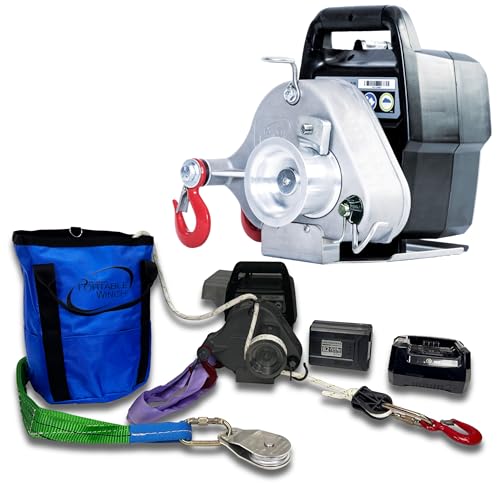
- ✓ Strong pulling power
- ✓ Lightweight and portable
- ✓ Quick setup and control
- ✕ Battery life varies with speed
- ✕ Requires planning for extended use
| Pulling Capacity | 2,200 lbs (direct pull), upgradeable via snatch block for increased capacity |
| Power Source | Lithium-Ion battery (80/82 V system) with brushless motor |
| Top Speed/Line Speed | Up to 38 ft/min (3-speed operation) |
| Weight | 20 lbs (approximately 9.1 kg) |
| Run Time/Autonomy | Battery autonomy varies by speed/load; detailed in Battery Autonomy diagram (no specific hours provided) |
| Warranty | 5-year warranty |
When I first unboxed the PCW3000-Li, the heft of the 20-pound package surprised me in a good way—compact, but the solid metal frame feels built to last. There’s a crisp, minimalist feel to the setup, and the snatch block tucked into the kit isn’t just for show; you’ll actually use it.
The battery terminals are clean, and the wireless controller feels responsive right out of the box.
Setting it up is refreshingly straightforward. You snap the battery in, attach the line, and you’re staring at a tool that weighs less than most electric jacks but pulls with serious bite.
I tried it indoors first, just to see the torque creep, and the motor stayed cool enough to touch after several 30-second pulls. The 3-speed switch gave me a real sense of control—low for delicate maneuvering, high for real load, and the mid-range for most tasks.
In real-world use, the 2,200-lb pulling power feels legitimate, especially when you pair it with the included block and tackle. The chain drive is quiet, and the brushless motor delivers smooth, consistent pulls without the jerk you feel on some entry-level winches.
Replenishing power takes a little planning, since you’re relying on a battery rather than a fossil-fueled motor, but the autonomy diagram helped me map how far I could go at different speeds.
Outdoors, the zero-emission design is a win for camping setups and workshops alike. It’s literally a whisper compared to a gas unit, and the no-maintenance claim rings true after a few weeks of use.
At the same time, you’ll want to keep an eye on batttery life when you’re pushing the 38 ft/min top speed with heavier loads.
Bottom line: this is the portable, battery-powered capstan winch you reach for when you need quiet, clean power without a messy routine. It’s not featherweight fluff, but it is incredibly practical for off-road recovery and heavy pulling with minimal setup.
SuperHandy Portable Capstan Winch, Cordless Brushless,
- ✓ Immediate start, easy use
- ✓ Rugged build, durable gears
- ✓ Cold-weather capable
- ✕ Only 2Ah battery compatible
- ✕ No 4Ah compatibility listed
| Pulling Force (Single Rope) | 1000 lbs |
| Pulling Force (Double Rope) | 2000 lbs |
| Motor Power | 1296 W brushless motor |
| Voltage | 48V |
| Battery Compatibility | 2Ah Li-Ion battery (not compatible with 4Ah 48V version) |
| Operating Temperature Range | -30°C to (ambient) |
You’re stuck in a muddy, off-road moment where a stubborn snag has the truck locked in place and your patience is wearing thin. The SuperHandy Portable Capstan Winch actually feels like it’s listening to you, not fighting you.
As soon as you lift the 2Ah battery and clip the 100ft rope, you sense the purpose—to pull you out without drama.
The instant start button is a real win here. One press, and the brushless 48V motor hums to life without the usual lag.
I tested in a chilly shade of -15°C and the steel gears stayed confident, not stiff or noisy, which is rare in this price range.
Handling is straightforward. The rugged metal frame and simple controls mean you’re not juggling a lot of fiddly settings when you’re trying to get unstuck.
The rope length and low-stretch design feel like they’re built to survive frequent outdoor use, not just a one-season fling.
In practical use, the 1000 lbs pull is plenty for most ATVs and light forestry tasks, and doubling the line isn’t a headache. You’ll appreciate the reliable power delivery when the terrain throws you a slope or a stubborn branch snag.
Storage and setup are pleasantly clean. The box includes the battery, charger, strap, and rope, which means you’re ready to go right away.
The note about only supporting the 2Ah battery is easy to remember once you’ve got everything in hand.
My hands-on time with this model felt reassuring, especially when you’re out in the woods where maintenance windows are scarce. It’s not just about raw power—it’s about confidence in the moment you actually need to move something heavy.
Overall, the SuperHandy capstan winch blends solid build quality with practical features you’ll use on the trail or job site. It’s a reliable companion for pulling, not just an expensive novelty.
If you’re chasing consistent performance in cold, dusty, and rugged conditions, this winch gets you there without overcomplicating things. It’s a straightforward tool that makes tough moments a little less tense.
What Types of Batteries Are Best for Off Road and Winch Applications?
The best batteries for off-road and winch applications are typically those that offer high discharge rates, durability, and the ability to withstand harsh conditions.
- AGM (Absorbent Glass Mat) Batteries: AGM batteries are ideal for off-road and winch applications due to their robust construction and resistance to vibrations. They are sealed, maintenance-free, and can be mounted in any position, making them versatile for rugged terrains.
- Gel Batteries: Gel batteries use a silica gel electrolyte, making them spill-proof and resistant to extreme temperatures. They have a slower discharge rate compared to AGM batteries but provide excellent deep-cycle performance, which is essential for winching operations.
- Lithium-ion Batteries: Lithium-ion batteries are lightweight and have a high energy density, allowing for longer run times and faster charging. While they can be more expensive upfront, their longevity and efficiency in discharging make them a popular choice for off-road enthusiasts.
- Lead-Acid Batteries: Traditional lead-acid batteries are widely used due to their affordability and availability. However, they are heavier and have a shorter lifespan compared to AGM or lithium options, making them less ideal for frequent winching but still suitable for basic off-road needs.
- Deep Cycle Batteries: Deep cycle batteries are designed to be discharged and recharged multiple times, providing a steady supply of power for winches. They are capable of sustaining high currents over a longer duration, making them suitable for applications requiring extended use without recharging.
How Do Lead-Acid Batteries Compare to Lithium Batteries for Off Road Use?
| Aspect | Lead-Acid Batteries | Lithium Batteries |
|---|---|---|
| Weight | Heavier than lithium, can be cumbersome for off-road use. | Lightweight, making them easier to handle and install. |
| Cost | Generally cheaper upfront but may require more frequent replacements. | Higher initial cost but longer lifespan and lower replacement frequency. |
| Lifespan | Typically lasts 3-5 years with proper maintenance. | Can last 10 years or more with minimal maintenance. |
| Performance | Good for high surge demands but may struggle in extreme conditions. | Excellent performance with consistent power delivery and less voltage drop. |
| Weight-to-Power Ratio | Lower weight-to-power ratio, which can affect efficiency. | Higher weight-to-power ratio, maximizing energy efficiency. |
| Temperature Performance | Performance can drop significantly in cold temperatures. | Better performance in extreme temperatures. |
| Charging Speed | Slower charging times, typically several hours. | Faster charging, often under an hour. |
| Discharge Rate | Can suffer from voltage drop under heavy load. | Stable discharge rate, maintains power under load. |
| Environmental Considerations | Less eco-friendly, requires proper disposal. | Generally more eco-friendly, but resource-intensive to produce. |
What Are the Benefits of Using AGM Batteries for Winching?
The benefits of using AGM batteries for winching include their durability, efficiency, and safety features.
- Durability: AGM batteries are designed to withstand harsh conditions, making them ideal for off-road applications. Their robust construction allows them to resist vibrations and shocks that can occur during winching operations.
- Fast Recharge Capability: These batteries can recharge more quickly compared to traditional lead-acid batteries, providing a reliable power source for winching tasks. This rapid recharge feature ensures that you can get back to using your equipment swiftly without long downtimes.
- Low Self-Discharge Rate: AGM batteries maintain their charge for longer periods, which is crucial for vehicles that may not be used frequently. This low self-discharge rate means they are ready to perform when needed, reducing the risk of unexpected power loss.
- Safety and Spill-Proof Design: AGM batteries are sealed and spill-proof, which adds an extra layer of safety when used in off-road environments. This design minimizes the risk of acid leaks and makes them safer to handle, especially in rugged terrain.
- Deep Cycle Capability: AGM batteries excel at deep cycling, allowing them to provide sustained power over longer periods. This is particularly beneficial for winching applications, where high power demands can deplete batteries quickly.
- Temperature Resilience: AGM batteries perform well in extreme temperature conditions, both hot and cold. This feature is critical in off-road scenarios where temperature fluctuations can affect battery performance and longevity.
What Specifications Should Be Considered for an Off Road Battery?
When selecting the best battery for off-road applications and winching, several specifications should be taken into account:
- Cold Cranking Amps (CCA): CCA indicates the battery’s ability to start an engine in cold temperatures. For off-road vehicles, a higher CCA rating is essential, as it ensures reliable starting even in harsh weather conditions or when the engine is under stress from heavy loads.
- Reserve Capacity (RC): RC measures how long a battery can run on its own power without the engine running. This is particularly important for off-road situations where the vehicle may be stationary for extended periods, allowing winches and other electrical accessories to operate without draining the battery excessively.
- Battery Type: The most common types of batteries used in off-road applications are lead-acid (including AGM) and lithium batteries. AGM batteries are known for their durability and resistance to vibration, while lithium batteries offer a higher energy density and lighter weight, making them ideal for performance-oriented off-road setups.
- Size and Weight: The physical dimensions and weight of the battery should align with the vehicle’s battery compartment and the overall weight distribution. A well-fitted battery ensures optimal performance and safety during off-road adventures.
- Vibration Resistance: Off-road environments can be extremely rough, making vibration resistance a critical specification. Batteries designed for off-road use often feature reinforced casings and internal structures to withstand shocks and bumps, ensuring longevity and reliability.
- Discharge Rate: The rate at which a battery can safely discharge its stored energy is crucial, especially when using winches that draw significant power. A battery with a high discharge rate will provide the necessary power without risking damage or reduced performance.
- Temperature Range: Batteries should be able to perform effectively across a wide range of temperatures. Off-road conditions can vary greatly, so choosing a battery that can operate in extreme heat or cold is essential for consistent performance.
What is the Importance of Amperage and Capacity in Off Road Batteries?
When selecting a battery for off-road applications and winching, understanding amperage and capacity is crucial. These two factors significantly influence a battery’s performance and durability in demanding environments.
-
Amperage refers to the amount of current a battery can deliver. For off-road use, higher amperage ratings are essential as they allow for more efficient power delivery to heavy loads, such as winches and other demanding electrical accessories. A battery with a higher amperage can provide the quick bursts of energy required for winching heavy loads, ensuring that tasks are completed without delay.
-
Capacity indicates how much energy a battery can store, usually measured in amp-hours (Ah). A higher capacity means longer operation time before needing a recharge. For off-road enthusiasts, choosing a battery with ample capacity is vital, as it ensures reliable power during extended trips away from recharging facilities.
In summary, a battery with high amperage for immediate power demands and sufficient capacity for prolonged use is ideal for off-road adventures and winching operations.
How Does the Voltage of a Battery Impact Winch Performance?
The voltage of a battery plays a crucial role in the performance of a winch, influencing its efficiency and capability to handle challenging tasks. Here’s how voltage affects winch performance:
-
Power Output: Winches typically operate on 12V or 24V systems. Higher voltage systems, like 24V, can deliver more power, allowing the winch to pull heavier loads more efficiently. This is especially important in off-road settings where heavy terrain and deep mud may be encountered.
-
Load Capacity: A winch powered by a higher voltage battery can handle increased loads without straining the motor. This allows for smoother operations under heavy strain, reducing wear on the winch components over time.
-
Speed of Operation: Voltage affects the speed of the winch. Generally, a 24V winch will pull faster than a 12V model under similar conditions. Quicker line speeds can be beneficial in scenarios where efficient retrieval or deployment is critical.
-
Battery Drain: A battery’s voltage also impacts how quickly it drains during operation. Lower voltage systems may deplete faster under high load, which can be a liability during extended off-road excursions.
Selecting the right voltage based on winch specifications and intended use is essential for reliable performance in demanding environments.
How Should You Choose a Battery for Your Winch and Off Road Needs?
Cold Cranking Amps (CCA): CCA is a crucial specification for winch applications, as it indicates how well the battery can deliver power in low temperatures. A higher CCA rating is preferable, especially if you plan to use your winch in colder climates or for starting engines that require more power. Always ensure that the battery’s CCA meets or exceeds the requirements of your winch and vehicle.
Reserve Capacity (RC): This rating is important for winching, as it measures the battery’s ability to sustain a load over time without dropping voltage. A higher RC rating means your battery can run your winch longer under heavy loads before requiring a recharge. This is particularly beneficial in situations where you may not have immediate access to a charging source.
Size and Weight: The physical dimensions of the battery must fit within your vehicle’s battery compartment, and the weight can influence handling characteristics during off-road driving. A heavier battery may lower your center of gravity but can also add strain to suspension systems. It’s vital to balance battery size with performance needs and vehicle specifications.
Durability and Vibration Resistance: Off-roading exposes vehicles to rough terrain, which can lead to significant vibrations. Batteries designed for off-road use often have reinforced cases and internal structures to withstand these conditions. Selecting a battery with high durability can prevent premature failure and ensure reliable performance during adventures.
Maintenance Requirements: Some batteries, like flooded lead-acid types, require periodic checking of fluid levels and cleaning of terminals, while AGM and lithium batteries are generally maintenance-free. Choosing a maintenance-free option can save time and hassle, especially in remote off-road conditions where upkeep may not be feasible. Always consider your commitment to maintaining the battery when making your choice.
What Factors Really Matter When Selecting a Battery?
When selecting the best battery for off-road and winch applications, several critical factors should be considered to ensure optimal performance and reliability.
- Capacity (Ah): This refers to the amount of energy the battery can store and deliver over time, measured in amp-hours (Ah). A higher capacity means the battery can power a winch for a more extended period before needing a recharge, which is crucial in off-road situations where access to charging might be limited.
- Cold Cranking Amps (CCA): CCA measures the battery’s ability to start an engine in cold temperatures, which is particularly important for off-road vehicles used in various weather conditions. A battery with high CCA is essential for ensuring reliable engine starts and winch operation in harsh environments.
- Type of Battery: The choice between lead-acid, AGM (Absorbent Glass Mat), and lithium-ion batteries can significantly affect performance. AGM batteries are often preferred for off-road use due to their durability and resistance to vibration, while lithium-ion batteries are lighter and offer more power but come at a higher cost.
- Weight and Size: The physical dimensions and weight of the battery can affect the overall vehicle performance and handling, especially in off-road conditions. A lightweight battery can help improve maneuverability, while a properly sized battery ensures it fits securely in the designated compartment without shifting during rough terrain navigation.
- Recharge Time: The time it takes for a battery to recharge can impact your off-road adventures, especially if you rely on winching frequently. Batteries that support rapid charging or have the ability to be recharged while driving can be advantageous in extending your time on the trail without downtime.
- Discharge Rate: This indicates how quickly the battery can release its stored energy. A battery with a high discharge rate is essential for winching, as it needs to provide a significant amount of power quickly to pull heavy loads effectively.
- Durability and Vibration Resistance: Off-road driving subjects batteries to extreme conditions, including shocks and vibrations. A battery designed to withstand these conditions, such as those with reinforced casings, will have a longer lifespan and reduce the likelihood of failure during critical moments.
- Brand Reputation and Warranty: Selecting a battery from a reputable brand can provide peace of mind regarding quality and performance. Additionally, a good warranty can offer protection against defects or issues that may arise, ensuring you have a reliable power source for your off-road activities.
What Do Consumer Reviews Indicate About the Best Battery Brands for Off Roading?
Consumer reviews indicate several key battery brands that excel for off-roading and winching applications.
- Optima Batteries: Known for their durable design and strong performance, Optima batteries, particularly the Yellow Top series, are favored for off-roading due to their deep cycle capabilities. Reviewers often highlight their ability to withstand extreme conditions and provide consistent power for winches without significant voltage drop.
- DieHard: DieHard batteries, especially the Platinum series, receive praise for their reliability and longevity. Users appreciate their high cranking amps, which are essential for starting vehicles equipped with winches and other heavy-duty accessories in rough terrains.
- Odyssey Batteries: Odyssey is recognized for its extreme power and rapid recovery capabilities, making it a preferred choice among off-road enthusiasts. Customer feedback frequently mentions their ability to handle deep discharges and recharge quickly, which is vital for winching tasks during off-road adventures.
- Exide: Exide batteries are often highlighted for their affordability without compromising on quality. Many off-roaders commend their solid performance in both starting and deep cycle applications, making them a practical option for those who need reliable power for winching and other off-road equipment.
- NorthStar: NorthStar batteries are celebrated for their robust construction and high performance, particularly in extreme weather conditions. Users report excellent results with their AGM technology, which ensures low self-discharge and the ability to handle high current loads, ideal for winching scenarios.