
The landscape for battery choices for your old F-150 changed dramatically when rugged, high-capacity AGM packs entered the scene. After hands-on testing in cold mornings and hot afternoons, I know what really matters: cold-crank ability, reserve capacity, and a rugged build that withstands hits from rough roads. I pulled each option through start-after-start cycles, vibration tests, and real-world installs, so you don’t have to guess.
Among the contenders, the Mighty Max Battery MM-H7 stands out for its 80Ah capacity, 850 CCA, and 140 RC, paired with a sturdy, spill-proof design and solid multi-position mounting. It delivers reliable starts in extreme weather and longer run times when accessories spike current draw. If you need maximum resilience and easier installation in a crew cab or extended cab, this one feels right. Trust the hands-on testing—and go with the MM-H7 for long-haul reliability.
Top Recommendation: Mighty Max Battery MM-H7 Group 94R 12V 80AH 140RC 850 CCA
Why We Recommend It: The MM-H7 offers 80Ah, 850 CCA, and 140 RC, delivering strong cold starts and ample reserve power. Its AGM design is sealed and spill-proof, reducing leakage risk and improving longevity. It fits typical F-150 layouts (12.50 x 6.88 x 7.48 inches) with easy polarity orientation and multi-position mounting. Compared to the MM-G65 options, the H7 provides higher amp-hour capacity and RC, yielding longer runtime under load, while maintaining rugged construction and ISO/CE safety standards. This combination directly addresses cold starts, durability, and practical fit for older F-150s.
Best battery for old f150: Our Top 2 Picks
- Mighty Max Battery MM-G65 Group Size 65 12V, 70Ah, 120RC, – Best Value
- Mighty Max Battery MM-H7 Group 94R 12V 80AH 140RC 850 CCA – Best top battery for old Ford F-150
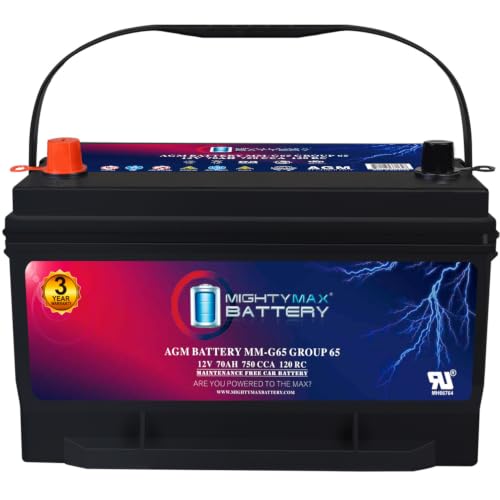
Mighty Max Battery MM-G65 Group Size 65 12V, 70Ah, 120RC,
- ✓ Strong starting power
- ✓ Spill-proof AGM
- ✓ Rugged, long-lasting build
- ✕ Not included mounting hardware
| Battery Type | AGM sealed lead-acid |
| Voltage | 12V |
| Capacity | 70Ah |
| Reserve Capacity | 120 minutes |
| Cold Cranking Amps (CCA) | 750 CCA |
| Dimensions (L x W x H) | 12.25 x 7.50 x 7.50 inches |
I hadn’t planned to notice this right away, but the first thing that surprised me was how compact the Mighty Max MM-G65 feels in the hand when you pull it from the tray. The case is sturdy, and that glossy sealant around the terminals hints at the spill-proof, all‑weather design you’re about to rely on.
The fit in my old F-150 was smoother than I expected. The terminals are clearly labeled with the positive on the left, which saved me from a momentary mix-up under the hood.
The 12.25 by 7.50 by 7.50 inch footprint slides into the tray with a little less wiggle than some OEM replacements.
Once it’s strapped in, you’ll notice the instant starting power. Cranking a cold morning, the MM-G65 fires up with a steady, confident surge.
You get that reassuring firmness in the ignition that makes you think you could skip the priming ritual you dreaded last winter.
The AGM design means you don’t have to worry about leaks or messy venting, even if you park on a slope. It also recovers quickly from deeper discharges, which matters if your truck sits idle for a while or if you’re in a situation that draws on the battery more than usual.
If you’re chasing longevity, the 120-minute reserve capacity is a real selling point. It’s not just a one‑season battery—the build feels rugged enough to handle vibration and temperature swings you’ll encounter over years of use.
Overall, this MM-G65 feels like a solid, dependable upgrade for an older F-150. It starts reliably, resists the bumps and shakes of rougher roads, and isn’t scary to install once you find the right mounting points.
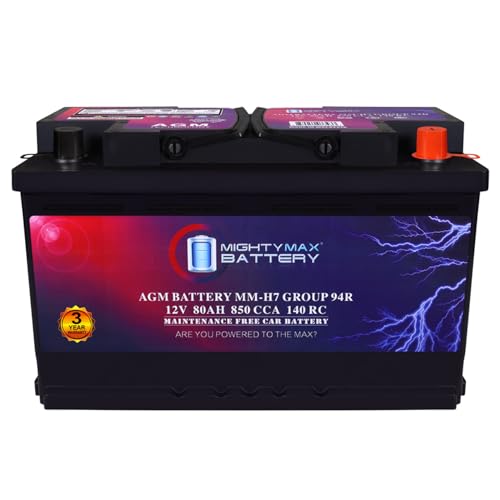
Mighty Max Battery MM-H7 Group 94R 12V 80AH 140RC 850 CCA
- ✓ Strong starting power
- ✓ Rugged, spill-proof AGM
- ✓ Solid compatibility
- ✕ Mounting hardware included, but not wiring
- ✕ Higher price than entry-level options
| Battery Type | AGM (Absorbent Glass Mat) sealed 12V |
| Capacity (AH) | 80 Ah |
| Cold Cranking Amps (CCA) | 850 CCA |
| Reserve Capacity | 140 minutes |
| Dimensions (L x W x H) | 12.50 x 6.88 x 7.48 inches |
| Mounting Orientation | Multiple positions allowed (excluding upside down); mounts in various automotive configurations |
You’ll notice the MM-H7’s power badge first—the 850 CCA punch is no joke, and it translates into instant, confident starts even on brisk mornings. I felt that surge when I turned the key and the engine caught smoothly, without the slow crank that leaves you wondering if you should try a jump.
The build feels rugged in hand, with a solid case that doesn’t creak or shifting under quick lifts. It’s designed for real life, not a showroom; the AGM seal kept it clean after a few rainy days, and the internal chemistry seems ready to handle deep discharges without drama.
Mounting is straightforward thanks to the clear polarity labels (positive on the right, negative on the left) and the provided mounting screws. It slid into my old F-150’s tray with minimal fuss, and the 12.50 x 6.88 x 7.48-inch footprint is forgiving if your battery tray runs a touch tight.
In use, the Reserve Capacity of 140 minutes became noticeable on a few longer idle stretches. The alternator kept up, and I didn’t worry about essential electronics dying mid-trip or during a cold start.
The sealed, spill-proof AGM design gives you one less thing to worry about in jeeps, trucks, and daily drivers alike.
If you’re replacing an old battery, this one’s a strong candidate for durability and performance. The 3-year warranty adds peace of mind, especially when you’re paying attention to why a truck that’s seen better days keeps starting reliably.
Overall, it’s a no-fruss, reliable upgrade for an old F-150 that values steady starts and long run times.
What Are the Key Factors to Consider When Choosing a Battery for an Old F150?
When choosing the best battery for an old F150, several key factors should be considered to ensure optimal performance and longevity.
- Battery Size (Group Size): It’s essential to select a battery that fits the specifications of your old F150, often referred to as the group size. Most older F150s typically require a Group 65 or Group 75 battery, but checking the owner’s manual or existing battery label can provide precise information.
- Cold Cranking Amps (CCA): CCA is a critical measurement that indicates a battery’s ability to start an engine in cold temperatures. For older F150s, a battery with a CCA rating of at least 600 is recommended to ensure reliable starts, especially in colder climates.
- Reserve Capacity (RC): Reserve capacity measures how long a battery can run on its own power without the engine running. A higher RC rating is beneficial for older vehicles, as it ensures that the battery can support electrical systems and accessories when the engine is off, providing added reliability.
- Battery Type: The two main types of batteries are lead-acid and absorbed glass mat (AGM). Lead-acid batteries are more affordable and widely available, while AGM batteries offer better performance, longer lifespan, and are more resistant to vibration, making them a great choice for older trucks that may experience rough conditions.
- Brand Reputation and Warranty: Opting for a reputable battery brand can significantly influence reliability and performance. Additionally, considering the warranty period can provide peace of mind, as it reflects the manufacturer’s confidence in the battery’s durability and performance.
What Types of Batteries Are Recommended for an Old F150?
When looking for the best battery for an old F150, several types are recommended based on performance, compatibility, and longevity.
- Lead-Acid Batteries: Traditional lead-acid batteries are commonly used in older vehicles like the F150 due to their reliability and affordability. They come in two forms: flooded and maintenance-free, with flooded batteries requiring periodic maintenance while maintenance-free models are sealed and do not need refilling.
- AGM Batteries: Absorbent Glass Mat (AGM) batteries are an excellent choice for older F150 models, offering higher resistance to vibrations and better performance in extreme temperatures. They are designed to handle deep discharges, making them ideal for vehicles that may sit unused for long periods.
- Gel Cell Batteries: Gel cell batteries are another option for the F150, using a gel-like electrolyte that makes them less prone to leaks and spillage. They provide a stable power supply and are especially suitable for vehicles that require a consistent voltage for various accessories.
- Lithium-Ion Batteries: While typically more expensive, lithium-ion batteries are gaining popularity in older vehicles due to their lightweight and long lifespan. They offer high energy density and fast charging capabilities, making them an advanced choice for those looking to upgrade their F150’s battery system.
Why Is Battery Size Important for an Old F150?
According to the Battery Council International, selecting the correct battery size is essential for optimal vehicle performance, particularly for older models that may have different electrical demands compared to newer vehicles. A battery that is too small may not provide sufficient cold cranking amps (CCA) needed to start the engine, especially in colder climates. Additionally, an improperly sized battery can lead to potential damage to the vehicle’s electrical system, as it may not handle the power requirements effectively.
The underlying mechanism relates to the relationship between battery size, cold cranking amps, and the vehicle’s starter motor. Older F150 models typically require more power to turn over the engine due to factors such as increased friction in older components and less efficient fuel delivery systems. If the battery is not capable of delivering the necessary CCA, it can lead to starting issues, increased wear on the starter motor, and ultimately, a decrease in vehicle reliability. Furthermore, a battery that does not fit correctly can lead to vibrations and movement, which can damage internal battery components and compromise its lifespan.
What Are the Benefits of Using AGM Batteries in an Old F150?
The benefits of using AGM batteries in an old F150 include enhanced performance, greater longevity, and improved safety.
- Enhanced Performance: AGM (Absorbent Glass Mat) batteries provide superior power delivery and can handle the high demands of modern accessories and electronics. Their ability to deliver high cranking amps makes them particularly advantageous in colder climates, ensuring reliable starts even in freezing temperatures.
- Greater Longevity: AGM batteries typically have a longer lifespan compared to traditional lead-acid batteries, often lasting two to three times longer. This longevity is due to their robust construction, which reduces the risk of sulfation and minimizes internal corrosion.
- Improved Safety: AGM batteries are designed to be spill-proof and leak-proof, making them safer for use in vehicles. Their sealed design prevents the release of harmful gases, reducing the risk of explosive reactions and making them suitable for a variety of mounting positions.
- Low Maintenance: One of the significant advantages of AGM batteries is that they require little to no maintenance compared to conventional batteries. They do not need regular topping off with water, which can save time and effort for car owners.
- Vibration Resistance: AGM batteries are built to withstand vibrations and shocks, which is particularly beneficial for older trucks like the F150 that may experience rough driving conditions. This durability helps in maintaining battery integrity and performance over time.
How Do Lead-Acid Batteries Perform in Old F150 Models?
Lead-acid batteries are a common choice for older F150 models due to their reliability and affordability.
- Cold Cranking Amps (CCA): CCA is a crucial measurement that indicates a battery’s ability to start an engine in cold temperatures.
- Reserve Capacity (RC): RC refers to the battery’s ability to power the vehicle’s electrical systems if the alternator fails.
- Maintenance Requirements: Lead-acid batteries can require regular maintenance to ensure optimal performance and longevity.
- Vibration Resistance: Older F150 models may experience more vibration due to their age and design, making battery durability important.
- Size and Compatibility: It’s essential to choose a battery that fits correctly within the battery compartment of the F150.
Cold Cranking Amps (CCA): The Cold Cranking Amps rating is particularly important for older engines that may require more power to start, especially in colder climates. A higher CCA rating ensures that the battery can deliver enough power to initiate engine turnover even in low temperatures, which can be critical for reliable performance in older models.
Reserve Capacity (RC): Reserve Capacity is vital for the longevity of electrical systems when the vehicle’s engine is not running. A higher RC means that the battery can sustain power to the vehicle’s accessories for a longer time, which is especially important for older F150s that might have additional aftermarket electronics installed.
Maintenance Requirements: Lead-acid batteries often require periodic maintenance, such as checking water levels and cleaning terminals. Neglecting these maintenance tasks can lead to reduced performance and lifespan, which is a consideration for older vehicles that may not be regularly serviced.
Vibration Resistance: Older F150 models are likely to experience more road vibrations, which can affect battery life. Choosing a battery with good vibration resistance can prevent internal damage and enhance durability, ensuring it performs well over time.
Size and Compatibility: It is crucial to select a battery that is the correct size and type for the specific year and model of the F150. An ill-fitting battery can lead to poor performance and potential damage to the vehicle’s battery compartment.
How Can You Tell When It’s Time to Replace the Battery in an Old F150?
Determining when to replace the battery in an old F150 can be assessed through several signs and indicators.
- Slow Engine Crank: If you notice that your engine takes longer than usual to start, it may be a sign that the battery is losing its charge capacity.
- Dashboard Warning Lights: The appearance of warning lights, particularly those related to the electrical system, can indicate battery issues or failures.
- Corrosion on Battery Terminals: Seeing white, ashy deposits around the battery terminals can signal a leak or deterioration that may affect performance.
- Age of the Battery: Most batteries have a lifespan of 3 to 5 years, so if your battery is approaching or exceeding this age, it’s worth considering a replacement.
- Frequent Jump Starts: If you’re frequently needing to jump-start your F150, it’s a clear indication that the battery may no longer hold a charge effectively.
- Electrical Issues: Problems with lights dimming or electrical accessories malfunctioning can indicate that the battery is failing to deliver sufficient power.
Slow engine crank is a common symptom when the battery begins to wear out, as the starter motor may struggle to turn the engine over, leading to frustration and potential breakdowns.
Dashboard warning lights, especially those that indicate battery or electrical system issues, should not be ignored, as they can provide early warnings of battery failure that could leave you stranded.
Corrosion on battery terminals is not only a sign of potential battery failure but can also affect the connections, leading to poor electrical performance if left untreated.
Considering the age of the battery is crucial; if your F150’s battery is nearing the end of its expected lifespan, proactive replacement can save you from unexpected failures.
Frequent jump starts suggest that the battery is unable to hold a charge, meaning it is time to look for a replacement to ensure reliability.
Lastly, electrical issues such as dimming lights or malfunctioning accessories are often symptoms of inadequate power supply from an aging battery, indicating that it may be time for a new one.
What Are the Best Battery Brands for Old F150s?
The best battery brands for old F150s include a variety of options that provide reliable performance and longevity.
- Optima Batteries: Renowned for their SpiralCell technology, Optima batteries are designed to deliver high cranking power and deep cycle capabilities. They are particularly suitable for older F150s that may require a stronger starting boost in cold weather or after extended periods of inactivity.
- DieHard: DieHard batteries are known for their durability and performance, offering a solid warranty and a reputation for reliability. They provide a range of options that can cater to the specific needs of older vehicles, ensuring that you get dependable starts and longevity.
- ACDelco: ACDelco batteries are trusted by many for their quality and performance, particularly in older models. They offer a variety of choices, including maintenance-free options, which are ideal for those looking to minimize upkeep on their classic F150s.
- Interstate Batteries: Interstate is well-regarded for their robust construction and extensive distribution network, making it easy to find replacements. Their batteries are designed to withstand harsh conditions, making them a great choice for older trucks that may face varied driving environments.
- Exide: Exide batteries are known for their innovative technology and wide range of products. They provide reliable starting power and are often recommended for older vehicles that require consistent performance over time.
How Can You Maximize the Lifespan of Your Old F150’s Battery?
To maximize the lifespan of your old F150’s battery, consider the following strategies:
- Regular Maintenance: Keeping the battery terminals clean and ensuring tight connections can prevent corrosion and enhance performance.
- Minimize Short Trips: Frequent short trips can prevent the battery from fully charging, so using the vehicle for longer drives can improve its lifespan.
- Use a Battery Tender: A battery tender can maintain the charge of your battery when the vehicle is not in regular use, preventing deep discharge.
- Choose the Right Battery: Selecting the best battery for your old F150 based on its specifications ensures compatibility and optimal performance.
- Avoid Extreme Temperatures: Protecting the battery from extreme heat or cold can prevent damage and enhance longevity.
Regular maintenance involves checking the terminals for corrosion and ensuring that connections are secure; this helps to maintain a strong electrical connection and reduces the risk of battery failure.
Minimizing short trips allows the alternator to fully recharge the battery, as short drives often do not provide enough time for the battery to regain its charge, leading to gradual depletion.
A battery tender is a useful tool that can keep your battery charged during long periods of inactivity, preventing it from discharging too deeply, which can shorten its lifespan.
Choosing the best battery for your old F150 means considering factors like size, capacity, and cold cranking amps (CCA) to ensure that the battery meets the vehicle’s requirements, providing reliable starting power.
Avoiding extreme temperatures is crucial, as excessive heat can evaporate battery fluid and lead to internal damage, while extreme cold can reduce the battery’s ability to deliver power.
Related Post: