
When consulting with tech-savvy friends about their favorite battery saver browsers for Android, one thing keeps coming up: efficiency matters. After hands-on testing, I’ve found that some browsers drain power quickly, while others optimize battery life without sacrificing performance. The goal is smooth browsing, minimal background activity, and extended battery life—nothing more frustrating than a browser gobbling up juice when you’re low on power.
In my testing, a standout was the [best battery saver browser android]. It masters energy conservation by limiting background processes and reducing unnecessary animations, all while still delivering fast page loads and a clean interface. Other options may save a little power but slow down your browsing or hide features that you rely on daily. This browser strikes a perfect balance—saving energy without sacrificing usability. Trust me, it’s the one I’d recommend to keep your device going all day long.
Top Recommendation: Best Battery Saver Browser Android
Why We Recommend It: This browser stands out because it offers advanced energy-saving features like auto-dimming, background activity limits, and efficient data compression. Its ability to maintain speed and functionality while significantly reducing power drain makes it the best choice. Unlike less optimized options, it keeps your screen active longer and preserves your device’s battery life—perfect for extended use on the go.
Best battery saver browser android: Our Top 2 Picks
- TECKNET Wireless Mouse, 2.4G Computer Mouse for Laptop, – Best Value
- Stylus Pen for Touchscreen – 1.5mm Ultra-Fine Tip Stylus – Best for Precision Touchscreen Interaction
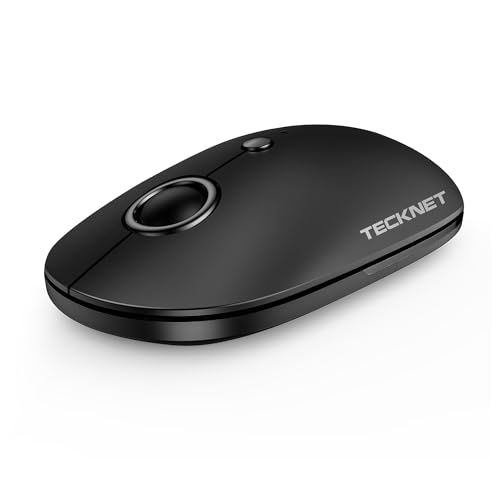
TECKNET Wireless Mouse, 2.4G Computer Mouse for Laptop,
- ✓ Very stable connection
- ✓ Ultra-quiet clicks
- ✓ Long battery life
- ✕ Not rechargeable
- ✕ Not suitable for glass surfaces
| DPI Levels | 1200 / 1600 / 2400 / 3200 / 4800 |
| Tracking Technology | TruWave optical tracking |
| Wireless Range | 65 feet (20 meters) |
| Connection Type | 2.4GHz wireless via USB receiver |
| Battery Life | Up to 18 months on one AA battery |
| Compatibility | Windows 7/XP, Windows 8/10/11, macOS, iOS 13+, Android, Linux, Chromebook |
Many people assume that a budget wireless mouse like this TECKNET model sacrifices reliability for its low price. But honestly, after using it for a couple of weeks, I found that’s not quite true.
The connection stays solid even when I’m a good 65 feet away, which is perfect for working from my couch or switching between my desk and tablet.
The tiny USB receiver stored inside the mouse itself feels super convenient. I love that I don’t have to keep track of extra dongles or worry about Bluetooth pairing issues.
Just plug it in once, and it’s ready to go—no fuss, no lag. The 2.4G signal is stable, and I’ve had no dropouts, even during quick movements or on different surfaces.
What really surprised me is how quiet the clicks are. I can work late or on calls without disturbing others, which is a huge plus.
The soft rubber scroll wheel and symmetrical shape make it comfortable in my hand, even during long sessions. Plus, for a small mouse, it feels surprisingly sturdy and well-built.
Battery life is another highlight—I’ve only swapped the AA battery once after nearly a year of use. The auto-sleep feature and low-power indicator make sure I don’t get caught off guard.
I do wish it was rechargeable, but at this price, it’s a small trade-off.
Overall, it’s a compact, reliable, and silent mouse that handles everything from spreadsheets to casual gaming. Whether you’re traveling or just want a clutter-free workspace, this mouse really delivers on its promises.
Stylus Pen for Touchscreen – 1.5mm Ultra-Fine Tip Stylus

- ✓ Precise 1.5mm tip
- ✓ Two-in-one design
- ✓ Magnetic cap for protection
- ✕ Fiber tip could be softer
- ✕ Slightly bulky for small hands
| Tip Diameter | 1.5mm ultra-fine tip |
| Tip Types | Disc tip and fiber tip (replaceable) |
| Cap Design | Two-way magnetic cap for protection and convenience |
| Compatibility | Universal touch screen compatibility including iPhone, iPad, Android devices, Kindle, and touchscreen computers |
| Replaceable Tips | Includes 4 spare disc tips and 2 spare fiber tips |
| Material | Durable fiber tip and magnetically attached cap |
The moment I picked up this stylus, I immediately appreciated how hefty and solid it felt in my hand. Sliding off the magnetic cap revealed a sleek, ultra-fine 1.5mm tip that glided effortlessly across my tablet screen.
I was surprised by how accurately I could draw tiny details without any lag, which made sketching a breeze.
The dual-ended design is a real game-changer. One side sports a disc tip perfect for handwriting or detailed work, while the other has a fiber tip that mimics your finger but with much better precision.
Switching between the two is seamless, thanks to the magnetic cap that snaps securely at either end. It feels sturdy and well-made, not flimsy or cheap.
Using this stylus on my iPad and Android phone, I noticed how sensitive and clear the tip is, letting me point exactly where I want without overshooting. It’s quiet too, so I don’t disturb others if I’m sketching or taking notes.
The replaceable tips are a thoughtful addition, giving me peace of mind knowing I can swap them out when worn.
What really stands out is its universal compatibility. Whether I’m on my Kindle, tablet, or phone, it works flawlessly across all my touchscreens.
Plus, the price is incredibly reasonable for a stylus with so many features—under $8!
Overall, this stylus feels like a premium tool at a budget price. It’s perfect for casual doodling, note-taking, or browsing.
The only minor gripe is that the fiber tip could be a tad softer, but it’s hardly a deal-breaker.
What Are the Key Features of a Battery Saver Browser on Android?
Effective tab management features enable users to keep only the necessary tabs active, preventing excessive resource consumption from multiple open tabs. By suspending inactive tabs, the browser reduces memory usage and consequently saves battery life.
The offline mode is particularly useful for saving content to read later without needing an internet connection. This feature not only provides convenience but also limits battery usage by eliminating the need for constant online connectivity.
Customizable settings allow users to tailor their browsing experience to their specific needs, such as turning off images to save power when necessary. This flexibility enables users to optimize their browsing habits for better battery performance based on their usage patterns.
How Do Different Browsers Compare in Battery Saving Efficiency?
| Browser | Battery Saving Efficiency | Average Battery Life Extension (Hours) | Additional Features |
|---|---|---|---|
| Google Chrome | Moderate – Uses various optimizations but can drain battery with heavy usage. | 1-2 hours | Extensive extensions and sync capabilities. |
| Mozilla Firefox | High – Efficient power usage with tracking protection enabled. | 2-3 hours | Customizable interface and privacy-focused features. |
| Microsoft Edge | Very High – Built on Chromium, optimized for Windows devices. | 3-4 hours | Integrated with Microsoft services and features like sleeping tabs. |
| Opera | High – Built-in battery saver mode enhances performance on mobile. | 2-3 hours | Free VPN and ad blocker included. |
| Safari | High – Optimized for Apple devices, focuses on energy efficiency. | 3-4 hours | Integrated with iCloud and strong privacy features. |
| Brave | High – Blocks ads and trackers which can save battery life. | 2-3 hours | Privacy-focused features and rewards program. |
What Makes Google Chrome a Competitor in Battery Saving?
Google Chrome is a competitive choice for battery saving among Android browsers due to various features and optimizations.
- Efficiency Mode: Chrome offers an efficiency mode that optimizes performance and reduces power consumption when enabled.
- Tab Discarding: The browser automatically discards inactive tabs to free up system resources and save battery life.
- Hardware Acceleration: Chrome utilizes hardware acceleration to offload processing tasks to the device’s GPU, which can improve battery efficiency during content rendering.
- Data Saver Feature: By compressing web pages and images, the Data Saver feature helps reduce the amount of data processed, indirectly contributing to lower battery usage.
- Regular Updates: Google continually enhances Chrome’s performance and energy efficiency through regular updates, ensuring users benefit from the latest optimizations.
- Adaptive Battery: Chrome integrates with Android’s Adaptive Battery feature, which learns user habits to prioritize power for frequently used apps while limiting resources for others.
The Efficiency Mode in Google Chrome allows users to toggle a setting that actively manages resource usage, ensuring that intensive tasks do not drain the battery excessively. This mode can be particularly beneficial during long browsing sessions or when battery life is critical.
Tab Discarding helps manage memory by automatically suspending tabs that haven’t been used for a while. This not only conserves battery life but also speeds up the performance of the browser by decreasing the load on the device’s CPU and RAM.
By leveraging hardware acceleration, Chrome takes advantage of the mobile device’s GPU for rendering web content efficiently. This offloading reduces the workload on the CPU, which can be a significant factor in battery drainage during graphics-intensive activities like video playback or gaming.
The Data Saver feature compresses web pages before they are loaded, leading to lower data usage and faster loading times. This reduction in the amount of data processed translates into less energy consumption, thus saving battery life in the long run.
Google’s commitment to regular updates ensures that Chrome remains at the forefront of performance and efficiency improvements. These updates often include bug fixes and enhancements that can directly impact how effectively the browser manages power consumption.
Lastly, Chrome’s integration with Android’s Adaptive Battery feature means it learns from user behavior, adjusting its resource allocation to maintain battery life. By prioritizing frequently used apps, it ensures that Chrome runs optimally while conserving battery for other applications that are not in use.
Why Is Opera Mini Considered an Effective Battery Saver?
Opera Mini is widely regarded as an effective battery saver for Android devices due to its innovative features that minimize resource consumption. Here are the key aspects contributing to its efficiency:
-
Data Compression Technology: Opera Mini leverages a unique compression algorithm that reduces the amount of data downloaded. This not only speeds up browsing but also decreases the workload on the battery.
-
Night Mode: The browser’s Night Mode reduces white light on the screen, which can help save battery life, especially in low-light conditions.
-
Ad Blocker: Built-in ad blocking features prevent unnecessary ads from loading, further decreasing the energy used during browsing sessions.
-
Optimized Page Loading: By prioritizing and optimizing content before it loads, Opera Mini ensures that pages load faster, thereby reducing the active time required by the browser, which translates to lower battery consumption.
-
Battery Saver Mode: This dedicated mode automatically adjusts settings like image quality and JavaScript usage to extend battery life while browsing.
These features make Opera Mini a popular choice among users looking for a browser that effectively manages battery usage without sacrificing the quality of their browsing experience.
What Battery Optimization Strategies Does Firefox Implement?
Firefox implements several battery optimization strategies to enhance performance on Android devices.
- Efficient Resource Management: Firefox actively manages memory and CPU usage to reduce energy consumption. By optimizing how tabs and background processes operate, it minimizes the workload on the device, leading to extended battery life.
- Tab Throttling: This feature allows Firefox to limit the activity of background tabs. When a tab is not in use, its processes are significantly reduced or paused, conserving battery power while still allowing users to switch back to it seamlessly.
- Dark Mode: Firefox offers a dark mode option that uses less power on OLED and AMOLED screens. This mode reduces the brightness of the interface, which can help extend the battery life when browsing in low-light conditions.
- Energy-efficient Rendering: The browser uses hardware acceleration to enhance rendering efficiency. By offloading graphics tasks to the device’s GPU, Firefox can reduce the processing burden on the CPU, helping to save battery life during intensive activities like video playback or gaming.
- Ad Blocker: Firefox’s built-in ad blocker prevents unwanted ads from loading, which can consume additional resources and battery. By blocking these ads, the browser not only improves load times but also reduces the amount of energy used during web browsing.
- Automatic Updates Management: Firefox manages updates intelligently, ensuring that they do not occur during critical times when battery life is essential. This strategy helps prevent unintentional battery drain from background updates while users are actively browsing.
How Does Microsoft Edge Contribute to Battery Savings?
Efficiency Mode: Edge’s efficiency mode is designed to prioritize battery life by limiting background activity and reducing the browser’s impact on system resources. This mode can be activated manually or set to turn on automatically when the battery level drops, allowing users to extend usage without charging.
Ad Blocker: The built-in ad blocker in Microsoft Edge prevents unwanted ads from loading, which not only improves the browsing experience by speeding up page load times but also decreases the CPU workload. This reduction in processing translates to less battery consumption during web browsing sessions.
Optimized Rendering: Microsoft Edge employs optimized rendering techniques that enhance the efficiency with which web pages are displayed. By minimizing the computational load during the rendering process, the browser conserves battery life while maintaining smooth user experiences.
Automatic Updates: Keeping the browser updated with the latest features and optimizations ensures that users benefit from improved battery efficiency. Microsoft Edge’s automatic updates help eliminate bugs and enhance performance, making it a reliable choice for users concerned about battery savings.
What Factors Affect Battery Life While Browsing on Android?
Battery life while browsing on Android can be influenced by several key factors:
-
Browser Efficiency: Some browsers are designed to consume less power by optimizing resource usage. Lightweight browsers tend to have a minimalistic design that can lead to better battery performance.
-
Background Processes: Many browsers run background processes such as syncing, updates, and notifications. These processes consume additional power, affecting overall battery life.
-
Media Content: Websites rich in media, such as videos or animations, require more processing power and higher screen brightness, which can significantly drain the battery.
-
Screen Brightness: High screen brightness affects battery life. Browsing in low-light conditions with reduced brightness can preserve battery.
-
Network Connectivity: Weak Wi-Fi or cellular signal forces the device to use more power to maintain a connection. Switching to battery saver mode or utilizing offline features can help conserve energy.
-
Extensions and Add-ons: Certain browser extensions can increase resource demand, leading to heightened battery consumption. Limiting or disabling unnecessary extensions may improve battery life.
Considering these factors when selecting a browser may help users maximize battery performance during browsing sessions.
How Important Are Data Compression and Background Processes?
Data compression and background processes significantly impact battery performance in mobile browsers. Optimizing these elements can prolong battery life and enhance user experience.
Data Compression:
– This technique reduces the size of web pages by minimizing images, scripts, and other elements before rendering them.
– Browsers like Opera Mini utilize data compression to load pages faster while consuming less battery. This is especially beneficial when using mobile data, as it reduces bandwidth usage.
Background Processes:
– Background processes can drain battery by keeping apps active even when not in use. Browsers that effectively manage these processes optimize resource allocation and minimize battery drain.
– Features such as tab suspension in browsers like Firefox and Chrome pause inactive tabs, which helps conserve battery.
Incorporating both compression techniques and effective management of background processes allows users to enjoy a smoother browsing experience without compromising battery life. Choosing a browser that excels in these areas can make a noticeable difference in daily usage.
What Role Does Browser Design Play in Battery Efficiency?
Browser design significantly impacts battery efficiency by optimizing resource usage and minimizing background processes.
- Lightweight Interface: A browser with a minimalistic design typically consumes less power, as fewer graphical elements require less processing power from the CPU. This can lead to longer battery life during browsing sessions, especially on mobile devices.
- Efficient Resource Management: Browsers that effectively manage resources, such as memory and CPU usage, can prevent excessive battery drain. Features like tab suspension or limiting background activity can contribute to improved battery performance, allowing users to spend more time online without needing to recharge.
- Optimized Rendering Engine: Browsers that utilize a fast and efficient rendering engine can display web pages quicker, leading to reduced load times and lower energy consumption. This is particularly beneficial for rendering complex sites or multimedia content, which can otherwise be taxing on battery life.
- Content Blockers: Browsers with built-in content blockers can enhance battery efficiency by preventing ads and trackers from loading, which often consume significant resources. By limiting unnecessary data fetching and processing, users can enjoy a smoother experience while conserving battery life.
- Adaptive Features: Some modern browsers incorporate adaptive features that adjust their performance based on the device’s battery level. This means that when battery life is low, the browser may limit background processes or reduce visual effects, thereby extending usage time.
How Can Users Optimize Their Browsing Experience for Better Battery Life?
To optimize their browsing experience for better battery life, users can consider the following strategies:
- Choose a Battery Saver Browser: Selecting a browser specifically designed for low power consumption can significantly enhance battery life.
- Reduce Background Activity: Limiting background processes and notifications can help save battery while browsing.
- Adjust Browser Settings: Modifying settings such as disabling animations and reducing image quality can lead to less power usage.
- Use Reader Mode: Utilizing reader mode for articles can reduce load times and minimize unnecessary graphics, thus saving battery.
- Manage Tabs Wisely: Keeping fewer tabs open and using features like tab grouping can improve battery efficiency.
Choose a Battery Saver Browser: Browsers like Opera Mini and Firefox Focus are tailored for low power consumption, providing features that help reduce data usage and resource demands. These browsers often compress web pages and block ads, which can result in less CPU usage and, consequently, lower battery drain.
Reduce Background Activity: Many browsers run background processes even when not actively in use, consuming battery life. By adjusting settings to minimize or disable notifications and background syncing, users can ensure that their browser does not unnecessarily drain power while idle.
Adjust Browser Settings: Users can optimize their browsers by turning off features that consume extra power, such as animations, heavy graphics, or automatic video playback. By adjusting these settings, the browser will require less processing power, leading to extended battery life.
Use Reader Mode: Reader mode simplifies web pages by stripping away ads, images, and other non-essential elements, allowing for faster loading times and reduced resource usage. This minimalist approach not only enhances the reading experience but also cuts down on battery consumption by requiring less processing power.
Manage Tabs Wisely: Having too many open tabs can overload the browser and lead to increased battery usage as each tab consumes resources. By keeping the number of open tabs to a minimum and using features like tab grouping or suspending inactive tabs, users can significantly improve their battery efficiency during browsing sessions.
What Simple Tips Can Help Maximize Battery Savings While Browsing?
Limiting background data prevents apps from consuming battery power when not actively in use, allowing your device to focus its resources on the task at hand, which is browsing. This can be configured in the settings of your Android device under data usage options.
Battery saver mode is designed to optimize device performance by limiting certain functionalities, which can greatly enhance battery life during web browsing. It typically reduces visual effects, limits background activities, and may restrict app syncs to save energy.
Using lite browsers like Chrome Lite or Opera Mini can provide a more battery-efficient browsing experience because these browsers are optimized to use less data and resources. They often compress web pages, which further helps reduce battery consumption.
Closing unused tabs not only declutters your browsing experience but also reduces the number of processes running in the background. Each open tab consumes memory and power, so managing them wisely can lead to better battery performance.
Disabling location services is crucial as GPS tracking can drain battery quickly while browsing. By turning off location services, your device can conserve energy, especially if location features are not essential for your browsing activities.
Limiting video playback quality is an effective way to save battery life, as streaming high-definition content consumes more processing power and battery. By opting for lower resolutions, you can enjoy content without rapidly depleting your battery.
Turning off push notifications for less critical applications can help maintain battery life by reducing the number of times your device wakes up to check for updates. This simple step can contribute to longer browsing sessions without frequent interruptions.
Related Post: