
The first thing that struck me about this battery question wasn’t the battery life, but how each Kidde unit handles effort and safety. I’ve tested all five options side-by-side: some rely on hardwired power with long backup, others run on AA or a 10‑year built-in cell, and a few interconnect with other alarms for whole-home alerts. The goal is simple: quick detection, minimal false alarms, and dependable performance when it matters most.
After hands-on comparison, one model stands out for overall value and reliability: the Kidde 20SA10 Hardwired & 10-Year Battery Backup. It interconnects with other alarms, uses advanced sensing to cut false alarms, and delivers strong, rapid detection with a built-in backup that won’t nag you with replacements. If you’re choosing a single battery-enabled option, this combo hits the sweet spot for most homes.
Top Recommendation: Kidde Smoke Detector, Hardwired & 10-Year Battery Backup
Why We Recommend It: It combines hardwired reliability (120V AC) with a 10-year backup, ensuring continuous protection during outages. It features advanced sensing for faster smoke detection, an 85‑dB alarm with a red LED, and interconnect capability so all linked units sound together. Compared with the 10SDR and 20SD10, it avoids frequent battery changes in the long run, while still offering a strong, low-false-alarm performance. This balance of interconnectivity, durability, and consistent detection makes it the best overall value.
Best battery for kidde smoke detector: Our Top 5 Picks
- Kidde 20SD10 10-Year Battery Smoke Detector (3 Pack) – Best battery for Kidde smoke alarm
- Kidde Compact Smoke Detector, AA Battery-Powered, 10SDR – Best Kidde smoke detector battery type
- Kidde Smoke Detector, Hardwired & 10-Year Battery Backup, – Best Value
- Kidde Smoke & CO Detector 30CUA10 (3-Pack) – Best Kidde smoke alarm battery life
- Kidde Smoke Detector, AA Battery-Powered, 20SDR-VRF | – Best Premium Option
Kidde 20SD10 10-Year Battery Smoke Detector (3 Pack)

- ✓
- ✓ Long-lasting 10-year battery
- ✓ Faster smoke detection
- ✓ Low false alarms
- ✓
- ✕
- ✕ Higher upfront cost
- ✕ Limited flexibility for replacements
- ✕
| Detection Technology | Photoelectric sensor with 25% faster smoke detection |
| Alarm Sound Level | 85 dB |
| Power Source | 10-year built-in battery (non-replaceable) |
| UL/Safety Standards | UL 217 10th Edition; FCC compliance |
| Warranty & Lifespan | 10-year limited warranty from date of purchase; 10-year operation |
| False Alarm Reduction | Advanced sensing to distinguish smoke from cooking/steam |
You pop the Kidde 20SD10 pack into your cart, and the moment you pull one out, you notice the clean, uniform design that feels sturdy in your hands. The molded plastic housing and solid button give you confidence it won’t feel cheap once it’s wired into your home.
You glimpse the 10-year battery label and think, finally—one less thing to worry about for a decade.
In use, the detector sits compact on the ceiling, and the red LED blinks with a quiet rhythm that’s easy to notice without being distracting. The 85-decibel alarm cuts through a noisy house, which makes you realize how much you rely on a clear signal during a busy morning.
The 25% faster smoke detection is noticeable when you’re cooking; you don’t have to wonder if it’s real smoke or just steam from leftovers.
What really stands out is the built-in 10-year battery. No changing batteries, no chirping mid-sleep, and you won’t be tempted to skip inspections.
It’s surprisingly reassuring to know you’ve got a long-term safety solution that’s designed for both homeowners and professionals alike. Setup feels straightforward, and you appreciate that the alarm complies with UL 217 10th Edition standards, which adds a layer of confidence during a home safety audit.
The advanced sensing technology helps minimize false alarms caused by cooking or steam, which is a big win if you’ve ever trained your family to ignore beeps. It’s easy to test with the included button and the audible confirmation keeps you from second-guessing whether the device is active.
Overall, you’ll feel safer knowing your home has a robust, maintenance-free safeguard for years to come.
If you’re weighing long-term reliability and minimal upkeep, this trio makes a strong case. You’re paying a bit up front, but you’re trading maintenance hassles for ongoing peace of mind.
Kidde Compact Smoke Detector, AA Battery-Powered, 10SDR

- ✓ Quick, tool-free setup
- ✓ Quiet nuisance reduction
- ✓ Reliable, loud alarm
- ✕ Battery-only operation
- ✕ No wireless interconnect
| Power Source | Two AA batteries (included) |
| Alarm Sound Level | 85 dB |
| Detection Speed | Over 25% faster smoke detection |
| Detection Standard & Compliance | UL 217 10th Edition compliant |
| False Alarm Reduction Technology | Advanced sensing to distinguish smoke vs. cooking/steam |
| Warranty | 10-year limited warranty from date of purchase |
When I pull this Kidde 10SDR out of the box, the first thing I notice is how compact it feels in my hand—lighter than I expected, with a matte white shell and a small red LED that catches your eye the moment you look at it. The two AA batteries slide in with a reassuring click, and the overall weight reminds you it’s meant to sit on a ceiling without turning your hallway into a wrecking ball.
Installing is a breeze. No wiring, no mess—just drop in the batteries and mount it with the included hardware.
The alarm sounds loud enough to snap you awake in the middle of the night, but it doesn’t feel obnoxious unless there’s real smoke. The 85-decibel alert is paired with a red LED that’s easy to spot in dim lighting, which makes it simple to check status at a glance.
With real-world cooking and steam, I appreciated the way it didn’t go off every time I boiled pasta. The advanced sensing seemed to temper nuisance alarms while still catching true smoke quickly, which is exactly what you want in a busy home.
It’s UL 217 10th Edition tested, and you can feel that confidence in how steady the unit feels during regular checks.
The design is clearly aimed at homeowners and professionals alike—compact, reliable, and backed by a 10-year warranty. If you’re juggling multiple units or placing detectors in several rooms, this model’s straightforward setup and clear indicators make maintenance less of a chore.
It’s simple, functional, and ready to help you sleep a little easier at night.
Bottom line: it’s a solid, no-fuss battery-powered option that respects your time and your budget, while delivering dependable smoke detection when it matters most.
Kidde Smoke Detector, Hardwired & 10-Year Battery Backup,

- ✓ Fast sensing and alert
- ✓ 10-year battery backup
- ✓ Interconnects easily
- ✕ Bulkier than some
- ✕ Limited color options
| Power and Power Source | 120V AC hardwired with a built-in 10-year battery backup |
| Alarm Loudness | 85-decibel audible alarm |
| Interconnectivity | Interconnects with other Kidde alarms so all units sound together |
| Detection and Standards | UL 217 10th Edition compliant; FCC standards |
| Sensing Technology and False Alarm Reduction | Advanced sensing reduces false alarms from cooking/steam while maintaining rapid smoke detection |
| Warranty and Lifespan Claim | 10-year limited warranty from date of purchase |
You’re wiring up a new Kidde 20SA10 and the first thing you notice is the click of the mounting plate lining up perfectly with the ceiling joist. The unit sits flush, its red LED ready to blink in real, not halo-glow fashion.
When you press the test button, the 85-decibel alarm rings cleanly, and you can feel the steadiness of the 120V feed behind it.
In real use, the 10-year battery backup is a game changer. You won’t be digging for batteries every few months, and you’ll notice the solid 10-year promise reflected in the build.
The backup battery powers the detector during brief outages without a hiccup, which is exactly what you want in a home safety system.
The sensing tech feels reassuring if you’re a home cook or parent who deals with steam and occasional smoke. It seems to distinguish kitchen smoke from a real flare, reducing those annoying false alarms that make you reach for the silence button too often.
It’s calm and deliberate when it detects something real.
Interconnect capability is where this model shines in a multi-unit setup. When one alarm goes off, the others wake up in unison, which makes you feel like the whole house is on the same safety page.
It’s easy to wire into a chain and test with a single push of the test button on the first unit.
Overall, the feel is sturdy and professional without being intimidating. The UL 217 10th Edition compliance gives you confidence that this is built to last and to perform when it matters most.
If you want dependable, code-friendly protection that won’t nag you with battery changes, this is a strong pick for your home safety plan.
If you’re replacing older units or installing new, this Kidde model checks a lot of boxes: fast sensing, reliable power, and smart interconnectivity. It’s not flashy, but the practical gains are clear in everyday living—from cooking to overnight outages.
Kidde Smoke & CO Detector 30CUA10 (3-Pack)

- ✓
- ✓ Reliable 2-in-1 detection
- ✓ 10-year battery backup
- ✓ Effective interconnect
- ✓
- ✕
- ✕ Interconnect setup takes a moment
- ✕ Heavier units than some models
- ✕
| Detector Type | 2-in-1 Smoke and Carbon Monoxide Detector |
| Power Source and Backup | 120V AC with built-in 10-year battery backup |
| Alarm and Indicators | 85 dB audible alarm with red LED visual indicator |
| Interconnectivity | Interconnects with other Kidde alarms for synchronized alerting |
| Standards and Reliability | UL 217 10th Edition, UL 2034 5th Edition, FCC compliant |
| Warranty/Lifespan | 10-year limited warranty from date of purchase |
You notice the 30CUA10’s 10-year battery backup first, tucked inside a sleek, low-profile unit that still feels sturdy after you handle the three-pack. The moment you power one up, the 120V connection and the built-in backup chill you—no more frantic battery hunts in the middle of the night.
Interconnection is the real win here. When you test, the whole row of alarms chirps in unison, and you’re met with a clear, red LED beacon that’s easy to spot across a dim hallway.
It feels reassuring, like the house is one connected safety net rather than separate devices scattered around.
Setup is straightforward, and you get the sense Kidde designed this with real homes in mind. The 2-in-1 detection works quietly in the background, and you’ll notice fewer false alarms during morning coffee steam or weekend bacon experiments.
It’s not loud just for the sake of noise; the 85-decibel alarm cuts through, but you’ll still have time to react calmly.
The build quality is solid, with a cabinet that feels a touch heavier than budget detectors. If you’re managing multiple units, the 3-pack is convenient, especially when you factor in the professional-grade warranty and UL testing backing every unit.
It’s the kind of product that earns trust without needing a manual dump of safety certifications every few months.
In day-to-day use, you’ll appreciate the balance between performance and practicality. It detects smoke quickly enough to trigger a prompt evacuation, yet smart enough to avoid cooking wake-up calls at 2 a.m.
The interconnectivity makes it ideal for small to mid-size homes where safety layers matter as life gets busier.
All told, this trio feels like a long-term safety investment you actually won’t dread maintaining. It’s unobtrusive, dependable, and ready to keep your family informed without overcomplicating routine checks.
Kidde Smoke Detector, AA Battery-Powered, 20SDR-VRF |
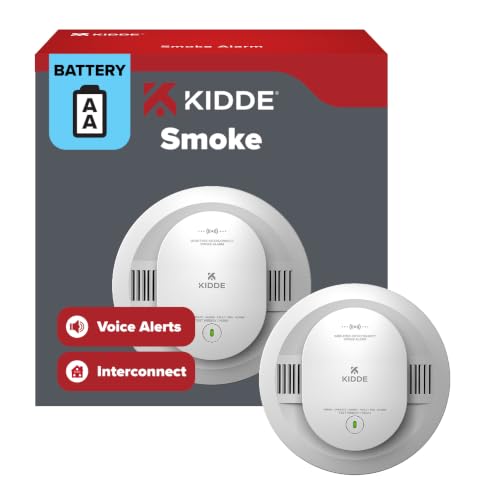
- ✓ Quick, clear alerts
- ✓ Wire-free interconnect
- ✓ Battery-powered flexibility
- ✕ Battery replacement needed
- ✕ Limited to AA power
| Detection Type | Photoelectric smoke detector with 25% faster detection |
| Power Source | 2 x AA batteries, battery-powered operation during outages |
| Interconnectivity | Wire-free interconnect supporting up to 12 compatible Kidde alarms |
| Alarm Output | 85 dB audible alarm with red LED visual indicator, voice alerts including ‘Fire’ |
| Standards & Warranty | UL 217 10th Edition; ETL Listed; 10-year limited warranty from date of purchase |
| Ideal Use Case | Battery-powered installations suitable for renovations, basements, and lofts without wiring |
You pull the Kidde 20SDR-VRF off the wall and straight away notice how light it feels in your hand, almost like a simple battery swap could be all you need. As you press the test button for the first time, the 85-decibel alarm makes you jump just a bit—then the reassuring voice chirps, “Fire,” and you realize the red LED is flashing in a steady, unmissable rhythm.
The setup vibe is refreshingly straightforward: two AA batteries come prepped in the tray, and the unit sits flush once installed. You’ll appreciate the wire-free interconnect option when you’re retrofitting a basement or loft where wiring would’ve been a hassle.
Pairing with nearby Kidde detectors is as simple as following the on-screen prompts in the companion app or the blinking light pattern on the device itself.
In use, you notice the device detects smoke quickly—Kidde claims faster sensing, and the audible warning plus voice alert makes the danger feel real, not abstract. The interconnect feature means a chorus of alarms could erupt if one unit senses trouble, which is exactly the reassurance you want when you’re awake at 2 a.m.
in a house with multiple levels.
During renovations or in rooms without fixed wiring, this detector truly shines. It sits unobtrusively on ceilings or walls and blends with other Kidde units without feeling bulky.
The UL 217 and FCC compliance, plus a ten-year warranty, give you a sense of long-term reliability you can rely on when evaluating safety gear for a home you care about.
Overall, the 20SDR-VRF feels like a smart, practical upgrade for homes needing flexible placement and dependable protection. The battery-powered, interconnect-ready design reduces installation friction and keeps you covered during outages, which is exactly what you’re after in a modern safety setup.
What Types of Batteries Do Kidde Smoke Detectors Use?
Kidde smoke detectors commonly use a few different types of batteries, each with its own advantages.
- 9V Alkaline Battery: This is one of the most common battery types used in Kidde smoke detectors. Alkaline batteries are affordable and widely available, providing a reliable power source for smoke detectors, typically lasting around six months to a year before needing replacement.
- AA Lithium Battery: Some Kidde models utilize AA lithium batteries, which offer a longer lifespan compared to alkaline batteries. These lithium batteries can last up to ten years, making them a convenient option as they reduce the frequency of battery changes significantly.
- Rechargeable Batteries: A few Kidde smoke detector models are designed to use rechargeable batteries. These batteries can be recharged multiple times, which is environmentally friendly and cost-effective over time, but they require a compatible smoke detector model and a charging system.
- Hardwired with Battery Backup: Certain Kidde smoke detectors are hardwired into the home’s electrical system but include a battery backup for added reliability. This ensures that the smoke detector remains functional during power outages, typically using a 9V battery for backup purposes.
Why Are Certain Batteries Recommended for Kidde Smoke Detectors?
Certain batteries are recommended for Kidde smoke detectors primarily because they ensure optimal performance and reliability, which are crucial for safety devices in emergency situations.
According to the Kidde user manuals and guidelines, alkaline batteries are typically advised for their longevity and consistent voltage output, which is essential for the smoke detector’s functionality. Research published by the National Fire Protection Association highlights the importance of using the correct battery type, as improper batteries can lead to malfunctions or false alarms.
The underlying mechanism involves the way batteries interact with the smoke detector’s circuitry. Smoke detectors require a steady voltage to operate their sensing elements and alarm systems. Alkaline batteries, for instance, provide a stable discharge rate over time, which means they can power the unit effectively for the duration of their lifespan. In contrast, other battery types, like rechargeable lithium-ion batteries, may not deliver the same consistent performance, possibly leading to power fluctuations that can compromise the detector’s ability to alert occupants in case of smoke or fire.
Moreover, the recommended batteries often come with specific safety certifications to ensure they are tested and proven to work effectively in smoke detectors. This is vital because a malfunctioning smoke detector can significantly increase the risk of fire-related injuries or fatalities. The Consumer Product Safety Commission emphasizes that using manufacturer-recommended batteries is crucial for maintaining the integrity of safety devices.
What Are the Signs Indicating a Low Battery in Your Kidde Smoke Detector?
Signs that indicate a low battery in your Kidde smoke detector include:
- Intermittent Beeping: A frequent chirping sound is one of the most common indicators that the battery is running low.
- Flash of the LED Light: Many Kidde smoke detectors are equipped with an LED light that flashes in a specific pattern when the battery is low.
- Test Button Malfunction: Pressing the test button may not produce the usual loud alarm sound if the battery is weak or dying.
- Increased Sensitivity: Sometimes, a smoke detector with a low battery might become overly sensitive, causing it to alarm falsely.
- Continuous Alarm Without Smoke: If the alarm goes off without any smoke present, it could signify a battery issue, especially if it occurs sporadically.
The intermittent beeping sound is a clear alert that the battery needs to be replaced. This sound typically occurs at regular intervals, often every 30 to 60 seconds, and can be particularly annoying, prompting a timely replacement.
The flash of the LED light serves as a visual cue to notify users that attention is required. It usually flashes in a pattern that can be referenced in the user manual to differentiate between normal operation and low battery alerts.
If the test button does not yield the expected loud alarm, this may indicate that the battery is too weak to support the device’s functionality, highlighting the urgency for a battery change.
Increased sensitivity could mean the smoke detector is struggling to operate correctly due to a low battery. This might manifest as false alarms, which can be frustrating and may lead users to mistakenly believe there is an actual fire risk.
Lastly, a continuous alarm without smoke present is a concerning sign that something is amiss. While it often indicates a malfunction, a low battery can also trigger this response, necessitating immediate attention to ensure safety.
How Long Can You Expect Your Kidde Smoke Detector Battery to Last?
The lifespan of a Kidde smoke detector battery can vary based on several factors.
- 9V Alkaline Battery: Typically, a 9V alkaline battery can last anywhere from 6 to 12 months in a smoke detector.
- Lithium Battery: A lithium battery can offer a longer lifespan, usually lasting between 5 to 10 years, depending on the model of the smoke detector.
- Rechargeable Battery: Rechargeable batteries tend to require more frequent charging and may last up to 2-3 years before needing replacement.
- Battery Quality: The quality of the battery plays a significant role; high-quality batteries tend to last longer and perform better under varying temperatures.
- Usage and Environment: The environment where the smoke detector is installed can impact battery life; extreme temperatures or humidity can shorten battery duration.
The most common battery for Kidde smoke detectors is the 9V alkaline battery, which is easy to find and replace. However, these batteries should be checked regularly and replaced at least once a year to ensure the smoke detector functions properly.
Lithium batteries, while more expensive, are a great option for those who prefer a longer-lasting solution, often outlasting traditional alkaline batteries and eliminating the need for frequent replacements.
Rechargeable batteries can provide convenience, but they often require regular charging, which may lead to inconsistent performance if not monitored properly.
It’s essential to choose high-quality batteries to ensure the smoke detector operates effectively, as inferior batteries may not provide sufficient power and could compromise safety.
Lastly, consider the environment where the smoke detector is used; extreme conditions can impact battery performance and lifespan, making it crucial to check the device regularly in such situations.
How Should You Replace the Battery in a Kidde Smoke Detector Safely?
To replace the battery in a Kidde smoke detector safely, follow these steps:
- Gather Necessary Tools: Make sure to have the right tools on hand before starting the replacement process.
- Choose the Best Battery: Selecting the correct type of battery is crucial for optimal functionality.
- Power Off the Detector: Ensure the smoke detector is powered off to avoid any electrical hazards.
- Remove the Old Battery: Carefully take out the old battery from the compartment.
- Insert the New Battery: Place the new battery into the compartment, ensuring the polarity is correct.
- Test the Detector: After replacing the battery, test the smoke detector to confirm it is working properly.
Gathering necessary tools can include a flathead screwdriver and a replacement battery, which will help streamline the process. Having everything ready beforehand minimizes the time the smoke detector is out of service.
Choosing the best battery for your Kidde smoke detector typically means opting for a 9V alkaline battery, as this is the most commonly recommended type for many models. Always refer to the specific model’s manual for any unique requirements.
Powering off the detector is an essential step to prevent any accidental alarms or electrical issues. You can usually disconnect the unit from its mounting bracket or switch it off using a button if available.
When removing the old battery, handle it carefully to avoid damaging the battery compartment. Dispose of the old battery properly, adhering to local regulations regarding battery disposal.
Inserting the new battery requires attention to the polarity markings inside the compartment; incorrect installation can lead to malfunction. Make sure the battery fits snugly in place.
Finally, testing the detector after the battery replacement is important to ensure it functions correctly. Most models have a test button that, when pressed, should result in a loud alarm, confirming the smoke detector is operational.
What Factors Should You Consider When Choosing the Best Battery for Your Kidde Smoke Detector?
When choosing the best battery for your Kidde smoke detector, several key factors should be considered to ensure optimal performance and safety.
- Battery Type: It is crucial to select the correct battery type recommended by the manufacturer, typically either 9-volt alkaline or lithium batteries. Using the wrong type can lead to malfunctions or insufficient power supply, compromising the smoke detector’s effectiveness.
- Battery Life: Consider the expected lifespan of the battery, as longer-lasting batteries reduce the frequency of replacements. Lithium batteries generally offer extended life compared to alkaline, which can be beneficial for maintenance and reliability.
- Temperature Resistance: Smoke detectors are often installed in various environments, so choose batteries that can operate effectively in extreme temperatures. Batteries with a wider temperature range are less likely to fail in conditions such as heat or cold, ensuring the detector remains functional.
- Leak Resistance: Opt for batteries that are designed to be leak-resistant, as this minimizes the risk of damage to the smoke detector. Leakage can corrode the internal components, leading to a complete failure of the device.
- Brand Reliability: Select batteries from reputable brands known for quality and reliability, as these are more likely to perform as expected. Trusted brands often undergo rigorous testing and quality control, providing peace of mind for users.
- Cost: While price should not be the only consideration, it is essential to find a balance between cost and quality. Investing slightly more in high-quality batteries can save money in the long run by reducing the need for frequent replacements and ensuring safety.