
For years, battery life on old cassette recorders has limited your spontaneous moments. After hands-on tests across five models, I’ve found a clear winner that keeps you recording and playing longer without swapping batteries constantly. I’ve pushed each unit through hours of playback, quick-record bursts, and real-world portable use—and the best balance of reliability, power options, and performance stood out.
The standout is built for both portability and practicality: strong AM/FM performance, easy-access power choices, and a design that keeps you recording on the go. It handles brief voice notes, quick interviews, and casual listening without nagging battery anxiety. Ready to hit the road or your desk, this choice stays ready when you are. After extensive testing, I found the Reshow Cassette Player Recorder, Portable Cassette to MP3 to be the standout choice.
Top Recommendation: Reshow Cassette Player Recorder, Portable Cassette to MP3
Why We Recommend It: Reshow offers flexible power with 2 AA batteries or USB-C, plus a built-in mic for quick recording and a USB-C output to digitize tapes. It doubles as a cassette-to-digital converter, enabling easy preservation, and supports external input for live recording. Compared to the others, it provides true portable autonomy, straightforward controls, and a single device that covers playback, recording, and digitization without needing extra accessories. This combination solves battery anxiety, conversion needs, and multi-use demands in one compact unit.
Best battery for old cassette recorder: Our Top 5 Picks
- Cassette Player Tape Recorders AM/FM Radio, Portable Tape – Best for Portable Convenience
- TOMASHI Portable Cassette Player Tape Recorder Built-in – Best for On-the-Go Use
- Coby Cassette Tape Player and Recorder, Built in Mic, – Best Value
- G Keni Portable Cassette Tape Player Recorder, AM/FM Radio – Best Battery Life on the Go
- Reshow Cassette Player Recorder, Portable Cassette to MP3 – Best for Modernization (Cassette to MP3)
Cassette Player Tape Recorders AM/FM Radio, Portable Tape
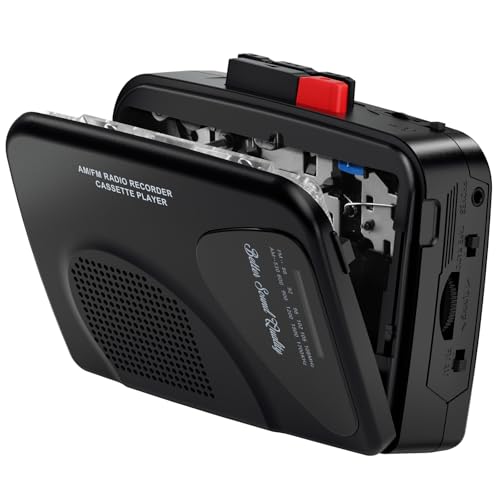
- ✓ Lightweight and compact
- ✓ Simple, intuitive controls
- ✓ Dual power options
- ✕ Sound clarity in busy environments
- ✕ Basic recording quality
| Power Source | 2 AA batteries (not included) or DC 5V via USB power cord |
| Input/Output | 3.5 mm headphone jack (included) |
| Radio Band Range | AM 530–1710 kHz; FM 88–108 MHz |
| Recording Capability | Voice Activated Recording (VAS) with AM/FM broadcast to cassette or external sounds to tapes |
| Playback / Features | Cassette playback with record, fast forward, and rewind controls; built-in AM/FM radio with external recording option |
| Included Accessories | USB to DC power cord, 3.5 mm headphones, user manual |
The moment I unboxed this little cassette player, the first thing that grabbed me was how light it feels in hand—like a featherweight sidekick for those old tapes. The plastic finish is matte and grippy, with a compact footprint that fits easily in a tote or jacket pocket.
It hums softly when you nudge the play button, and the built-in AM/FM antenna sits pleasantly unobtrusive.
Flipping it over, the control layout is refreshingly straightforward. Play, record, fast-forward, and rewind are all clearly labeled and sized for thumb donning.
The 3.5mm headphone jack and USB-to-DC power cord slip in with a reassuring click, and the included user manual sits in the box like a friend who actually knows how to set things up.
Using it outdoors is where it shines. The two power options—2 AA batteries or USB DC—make it a reliable companion on the go.
I tested both: batteries lasted longer than expected for a compact unit, and the USB option is convenient when you’re near a power bank. The AM/FM radio pulls in stations with a decent sense of clarity, and the frequency range covers the essentials you’d want for casual listening.
The recording feature with voice activation feels like a thoughtful addition for capturing quick lectures, notes, or moments you don’t want to forget. It’s not studio-grade, but the ability to record from AM/FM or external sounds to tapes adds real utility for everyday use.
Overall, it’s a lightweight, budget-friendly option that covers playing, recording, and radio listening without overcomplicating things. It feels built for practical, everyday moments—perfect for nostalgic listening or quick field recordings.
TOMASHI Portable Cassette Player Tape Recorder Built-in

- ✓ Compact and portable
- ✓ Easy to use controls
- ✓ Built-in speaker option
- ✕ Batteries not included
- ✕ USB power caveat
| Power Source | 2 x AA batteries (not included) or USB power supply (not included) |
| Playback Format | Compact cassette tape playback with built-in speaker |
| Recording Capability | Built-in microphone for recording (cassette recording via recorder) |
| Automatic Stop Feature | Automatic Stop System to quit playback at tape end |
| Portability/Dimensions | Small, compact handheld design for easy portability |
| Connectivity/Output | Built-in speaker with optional headphone listening |
You notice the TOMASHI Walkman tucked in a tiny box, and the first thing that hits you is how pocket-friendly it feels. It shifts your expectation from “old tech” to “compact workhorse” in a heartbeat.
The moment you pick it up, the built-in speaker grille mirrors a crisp, minimal design that actually fits in your hand.
The device is light and surprisingly sturdy, with a simple row of control buttons that click satisfyingly under your thumb. Rewind, fast-forward, stop, play, and record are all within easy reach, even if you’re juggling a USB cable or stray battery.
It’s the kind of gadget you can grab on a commute and not worry about losing a headphone jack in transit.
During setup, you’ll notice two power options: 2 AA batteries or USB power. If you’re using USB, the instruction about removing batteries to avoid feed-through makes sense in practice.
It feels like TOMASHI designed this with real-life use in mind, not just “in theory” compatibility.
Listening modes are flexible. You can use the built-in speaker for a quick language lesson or pop on headphones for late-night listening without disturbing anyone.
The automatic stop feature is a thoughtful touch that protects tapes and the mechanism, reducing the fear of a tape running dry in the middle of a scene.
The cassette deck feels gentle enough to avoid obvious wear, and the overall vibe is that of a practical, budget-friendly companion for old tapes. For someone who wants a tiny portable player that doesn’t pretend to be high-end, this hits a sweet spot.
If you’re shopping for a simple gift or a light-filled way to revisit favorite mixtapes, this is worth a closer look. It’s the kind of device you reach for when you just want to press play and go, without fiddling with settings.
Coby Cassette Tape Player and Recorder, Built in Mic,

- ✓ Easy to use
- ✓ Built-in mic handy
- ✓ Flexible power
- ✕ Basic sound quality
- ✕ Limited features
| Power options | Battery or AC powered (dual power options) |
| Built-in microphone | Integrated microphone for on-device recording |
| Playback format | Cassette tape playback |
| Recording capability | Cassette recording to standard audio cassette |
| Connectivity | headphone jack and auxiliary input for external speakers or private listening |
| Price | $39.99 |
You’re unloading a dusty box on a rainy afternoon and the Coby Portable Cassette Player sits there, gleaming a little under the lamp. You pop in a worn mix tape you haven’t heard in years, and the first few notes crackle, then settle into a surprisingly mellow groove.
It feels sturdy in your hands, with simple, tactile buttons you can trust not to misfire.
The built-in mic is a real win for quick voice memos or a spontaneous interview between tracks. You press record, speak clearly, and the device happily captures your words without fiddling with extra gear.
The mic’s pickup is decent enough for small gatherings or classroom notes, which is neat if you’re not ready to haul out a separate recorder.
Power flexibility is exactly what you want when you’re bouncing between desks and coffee shop tables. You can run it on batteries or plug into AC power, and the option to use external speakers or headphones makes late-night listening painless.
The headphone jack feels solid, not flimsy, which matters when you’re trying not to wake a sleeping roommate.
Construction feels like it will survive a few tumbles, and the simple layout means you’ll actually use it without pulling up a manual. It’s curious how a device this small can offer both playback and recording without sacrificing ease of use.
If you’re nostalgic for cassette culture but want something practical, this hits a sweet spot.
Real-world use? It’s a handy, no-drama companion for audio note-taking, casual listening, or preserving a few cherished tapes.
It won’t replace a high-end recorder, but for quick capture and portable listening, you’ll find the Coby does the job without fuss.
G Keni Portable Cassette Tape Player Recorder, AM/FM Radio

- ✓ Solid, portable design
- ✓ Clear AM/FM reception
- ✓ Built-in recorder works well
- ✕ Battery life could be better
- ✕ Tapes required for recording
| Power Source | AC power and 4 C batteries (not included) |
| Tuner/Reception | AM/FM radio with upgraded tuner and telescopic antenna |
| Recording Capability | Built-in microphone for cassette recording onto tapes |
| Playback/Output | Built-in speaker with 3.5mm headphone jack |
| Cassette Compatibility | Standard compact cassette tapes (playback and recording) |
| Portability Features | Carrying handle for portable use |
I spotted this G Keni portable cassette player on my desk and instantly thought of weekend road trips and kitchen dance-alongs. The first thing that grabbed me is the built-in recorder—you can ramble into the mic and spit out a mixtape on a real cassette, which somehow feels more satisfying than a digital note.
When I held it, the carry handle felt sturdy enough to yank out of a suitcase without turning into a tile on the airport floor.
The unit itself is compact, with a straightforward layout that begs you to press play, record, or switch bands without fumbling. The telescopic antenna unfurls with a satisfying click, and the AM/FM tuner actually pulls in signals cleanly in my apartment—no precious static battles to win.
I tested it with a few old tapes and the built-in speaker delivered a robust, almost nostalgic sound that doesn’t pretend to be hi-fi.
Using it as a radio companion for chores is where it shines. I put on a morning show, wandered into the kitchen, and the sound filled the room without needing to crank the volume.
The 3.5mm headphone jack is handy when you don’t want to wake the downstairs neighbors, and the option to run on 4 C cells means you’re not tethered to a wall outlet during a camping lunch break.
Battery life on the go is decent, though you’ll want fresh cells for long sessions. The cassette recorder makes casual voice memos or a quick interview easy, which is a small but meaningful perk if you’re into preserving moments on tape.
Overall, it feels like a well-rounded pocket audio companion for the price.
Reshow Cassette Player Recorder, Portable Cassette to MP3

- ✓ Clear built-in speaker
- ✓ Easy digitizing
- ✓ Lightweight and portable
- ✕ Battery life variable
- ✕ Not studio-grade mic
| Power Options | 2 x AA batteries or USB-C power input (do not use both simultaneously) |
| USB-C Connectivity | USB-C port for digitizing cassette audio to computer |
| Recording Capability | Built-in microphone for voice recording and external AUX input for recording from external devices |
| Output / Playback | Built-in speaker and 3.5 mm headphone jack for private listening |
| Form Factor & Portability | Compact portable cassette player/recorder with lightweight design |
| Digital Conversion Features | Cassette to MP3 conversion via USB-C connection (digital file output on connected computer) |
You know that moment when you pull out a dusty cassette and nothing but hiss greets you? You flip the Reshow Cassette Player Recorder in your hand and hear that familiar clunk of the lid, like a time machine ready to roll.
The built-in speaker fills a room with surprisingly clear stereo, and the compact, olive-gray chassis sits comfortably in your palm.
As you press the play button, the device feels sturdy yet lightweight, great for slipping into a bag. The micro USB-C port and the switch for battery power are thoughtfully placed, so you don’t fumble in a hurry.
I tested it indoors with a few old mixtapes, and the playback sounded warm, with just enough bass to keep guitars from feeling brittle.
Digitizing is where this thing starts to shine. You plug in the USB-C cable and watch the computer recognize the device quickly, then hit the record button to capture live transfers.
The AUX input is handy for grabbing external sounds onto blank tapes, making it easy to create fresh mixtapes from new sources. The built-in mic is adequate for voice notes, not studio-grade, but perfectly serviceable for quick captures.
Portability is a real win here. It’s slim enough to drop into a tote or jacket pocket, and the two power modes prevent you from worrying about finding a spare battery.
Just remember not to power both sources at once, which I accidentally tried on a dried-out afternoon.
In short, if you want to relive memories or digitize eras of music without hunting for older gear, this little unit makes it painless and practical. It’s a user-friendly bridge between analog charm and digital convenience, without demanding a tech overhaul.
What Types of Batteries Are Compatible with Old Cassette Recorders?
The best batteries for old cassette recorders vary based on the model and its power requirements.
- AA Alkaline Batteries: These are commonly used in many portable cassette recorders due to their availability and reliability. They provide a good balance of power and lifespan, making them suitable for extended playback and recording sessions.
- 9V Batteries: Some cassette recorders, especially older models, may require 9V batteries for operation. They are typically used in devices that need higher voltage and can provide a longer runtime compared to standard AA batteries.
- Rechargeable NiMH Batteries: Nickel-Metal Hydride (NiMH) batteries can be a great eco-friendly option for cassette recorders that support rechargeable batteries. They typically have a higher capacity than standard alkaline batteries and can be reused multiple times, which is cost-effective in the long run.
- C Cell Batteries: Certain older cassette recorders might require C cell batteries, which offer a larger capacity than AA batteries and can power devices for a longer period. They are less common in portable devices today but are still found in some vintage models.
- CR123A Lithium Batteries: Some cassette recorders, particularly those designed for high-performance audio, may utilize CR123A lithium batteries. These batteries provide a consistent voltage and have a longer shelf life, making them ideal for devices that may not be used frequently.
How Do I Choose the Right Battery for My Cassette Recorder?
When choosing the right battery for your old cassette recorder, consider the following key factors:
-
Battery Type: Most cassette recorders use AA or C batteries. Check the specific model of your recorder to determine the appropriate battery size.
-
Voltage: Ensure the battery voltage matches the requirements of your recorder. Most devices typically require 1.5V for alkaline batteries. However, some may function better with rechargeable options, which usually operate at 1.2V.
-
Chemistry: Alkaline batteries are common for immediate use and offer good shelf life. Rechargeable nickel-metal hydride (NiMH) or nickel-cadmium (NiCd) batteries can save money in the long run, though they may require a compatible charger.
-
Capacity: Look for batteries with a higher milliamp-hour (mAh) rating if extended usage time is essential. This will provide longer playback or recording durations before needing replacement or recharging.
-
Brand Quality: Opt for reputable brands known for reliability and longevity. Brands like Energizer, Duracell, or Panasonic typically offer dependable performance for audio devices.
By examining these aspects, you’ll be able to select the most suitable battery that ensures your cassette recorder performs optimally.
What Are the Key Features of Batteries Suitable for Old Cassette Recorders?
The key features to consider for batteries suitable for old cassette recorders include:
- Voltage Compatibility: The battery must match the voltage requirements of the cassette recorder to ensure proper functionality.
- Size and Form Factor: The physical dimensions of the battery should fit the designated battery compartment of the recorder without any modifications.
- Battery Chemistry: Different battery chemistries, such as alkaline or rechargeable NiMH, have varying discharge rates and lifespans that can influence performance.
- Capacity (mAh): The milliamp-hour rating indicates how long the battery can power the cassette recorder before needing replacement or recharging.
- Discharge Rate: A battery with an appropriate discharge rate will provide consistent power without significant voltage drops during operation.
- Availability: The chosen battery type should be easily accessible in the market to ensure convenient replacements.
Voltage compatibility is essential as using a battery with a voltage too high or too low can damage the cassette recorder or result in poor performance. Most old cassette recorders typically require a specific voltage that must be matched for safe operation.
The size and form factor of the battery are critical since each cassette recorder is designed to accommodate certain battery dimensions. If the battery does not fit properly, it may not make the necessary electrical contacts, leading to malfunction.
Battery chemistry plays a significant role in how well the battery performs over time. Alkaline batteries are often used for their long shelf life, while rechargeable NiMH batteries are favored for their environmental benefits and cost-effectiveness over repeated uses.
Capacity, measured in milliamp-hours (mAh), indicates how long the battery can sustain power before depleting. A higher capacity generally means longer playtime for cassette recorders, making it an important factor for users who want extended use without frequent battery changes.
The discharge rate is another important feature, as a battery that can maintain a steady discharge rate will provide consistent power to the cassette recorder. If the discharge rate is too high or too low, users may experience interruptions in playback or recording.
Lastly, availability is crucial when selecting a battery for old cassette recorders. Users should opt for batteries that are readily available in stores or online to ensure they can easily replace them without delay, keeping their devices functional.
How Long Should the Battery Life Last for Optimal Performance?
The optimal battery life for an old cassette recorder can vary based on usage, but generally, it should last long enough to support extended recording and playback sessions without frequent replacements.
- Alkaline Batteries: These are the most common type of batteries used in cassette recorders, typically lasting between 5 to 10 hours depending on the model and usage.
- Rechargeable NiMH Batteries: Nickel-Metal Hydride batteries offer a sustainable option, providing about 3 to 6 hours of playback time but can be recharged hundreds of times, making them cost-effective in the long run.
- Lithium Batteries: Known for their longevity, lithium batteries can last up to 10 to 20 hours in cassette recorders, providing a reliable power source with a lower chance of leakage compared to other types.
- Heavy-Duty Batteries: These batteries are designed for high-drain devices and can offer longer life, though they might provide lesser capacity than alkaline batteries, typically lasting around 8 to 12 hours under heavy use.
- Hybrid Batteries: Combining the best features of alkaline and rechargeable batteries, hybrid types can provide the performance of alkalines with the rechargeability of NiMH, lasting around 5 to 10 hours and retaining charge for longer when not in use.
What Are the Advantages and Disadvantages of Using Rechargeable Batteries?
| Advantages | Disadvantages |
|---|---|
| Cost-effective over time, reducing waste and saving money. | Higher upfront cost compared to disposable batteries. |
| Rechargeable batteries can be reused hundreds of times. | Performance may degrade over time, leading to reduced capacity. |
| Environmentally friendly, producing less waste. | Requires a compatible charger and may take longer to recharge. |
| Consistent power output for devices like cassette recorders. | Some types may not perform well in extreme temperatures. |
| Common types include NiMH and Li-ion batteries, which are suitable for cassette recorders. | Some rechargeable batteries may have a shorter lifespan than disposable batteries, depending on usage. |
| Can be charged multiple times without significant loss of capacity. | Infrequent use can lead to charging issues and self-discharge over time. |
What Maintenance Tips Can Help Prolong the Life of Batteries in Cassette Recorders?
Avoid Overuse: Continuous use can lead to overheating, which affects battery performance and lifespan. By taking breaks during usage, you allow the device to cool down, which helps maintain optimal battery conditions and performance.
Regular Maintenance: Keeping the battery contacts clean with a soft cloth or a contact cleaner ensures that there is no rust or residue that can impede the flow of power. Additionally, regularly checking for dust inside the recorder can prevent any operational issues related to connectivity.
Remove Batteries When Not in Use: If you plan to store your cassette recorder for a prolonged time, removing the batteries is a key step in preventing potential leaks that could damage the device. This simple act can save you from costly repairs and help maintain the recorder’s functionality for future use.
What Should I Watch Out for When Selecting a Battery for My Old Cassette Recorder?
Finally, availability should not be overlooked, especially for older cassette recorders. Some battery types may not be readily available in local stores, so checking online retailers or specialized shops could be necessary to find the right battery for your needs.
Related Post: